
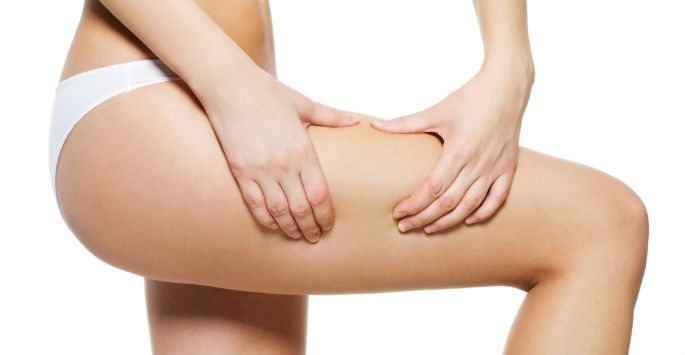
Lipedema liposuction is a specialized surgery for lipedema, a chronic condition causing abnormal, painful fat buildup in the legs and arms. This buildup doesn’t respond to diet, exercise, or bariatric surgery. Unlike cosmetic liposuction, which focuses on appearance, lipedema treatment removes diseased, fibrotic fat that causes severe pain, heaviness, bruising, and movement problems.
Dr. Beth Collins at The Collins Center is one of the few plastic surgeons in New England offering complete lipedema treatment. She uses specialized lymph-sparing liposuction to remove unhealthy fat while preserving the lymphatic vessels needed for healthy tissue drainage.
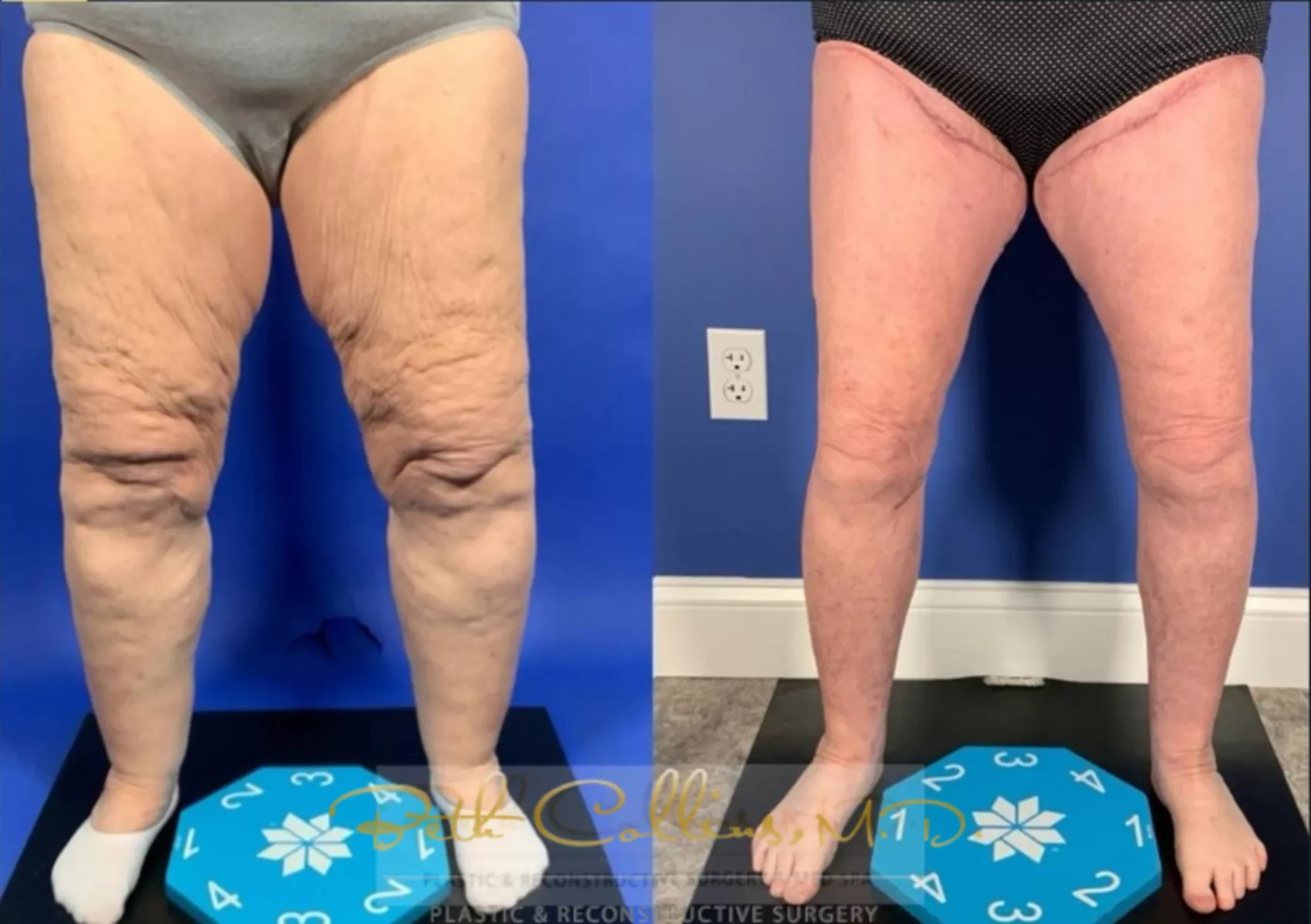
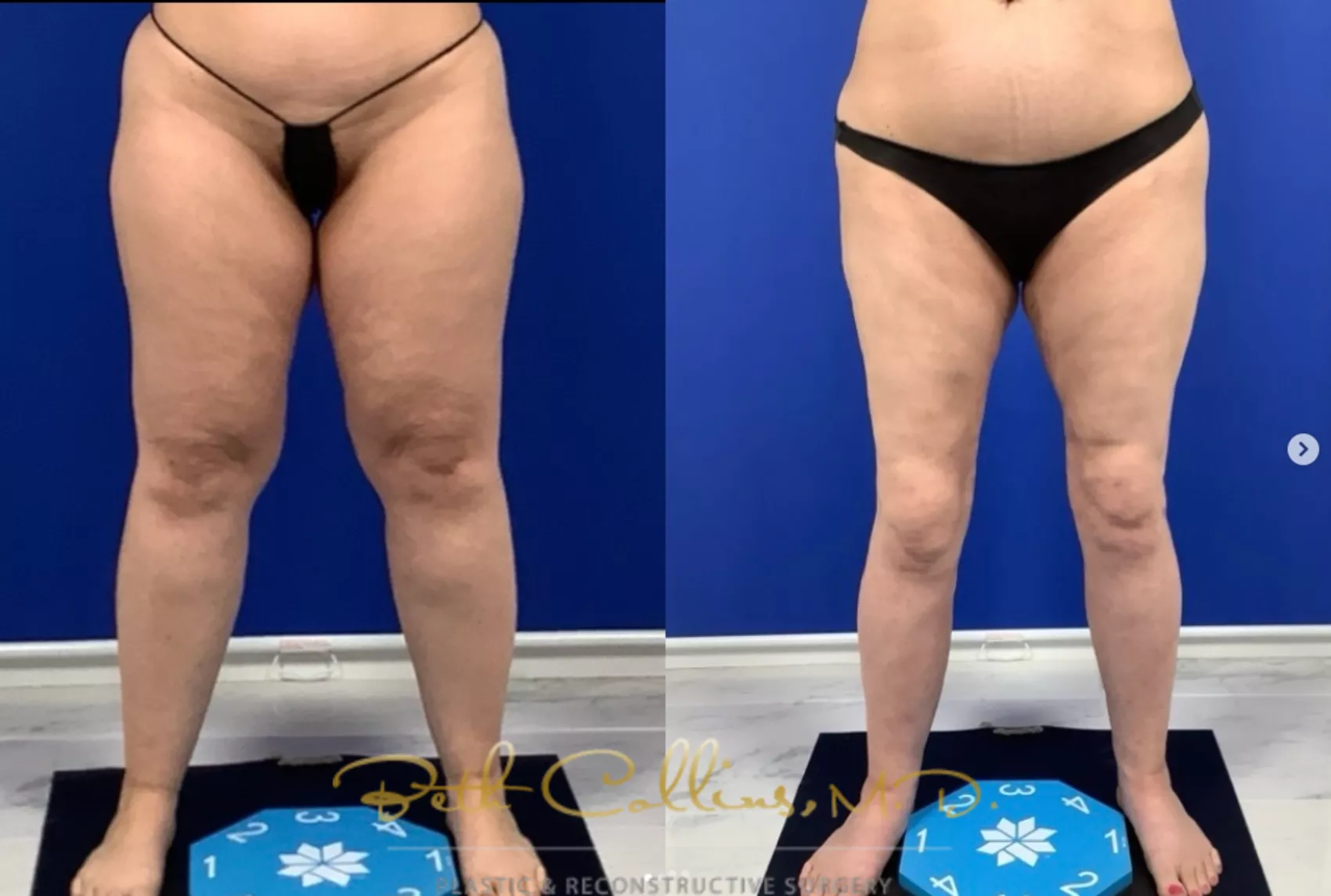
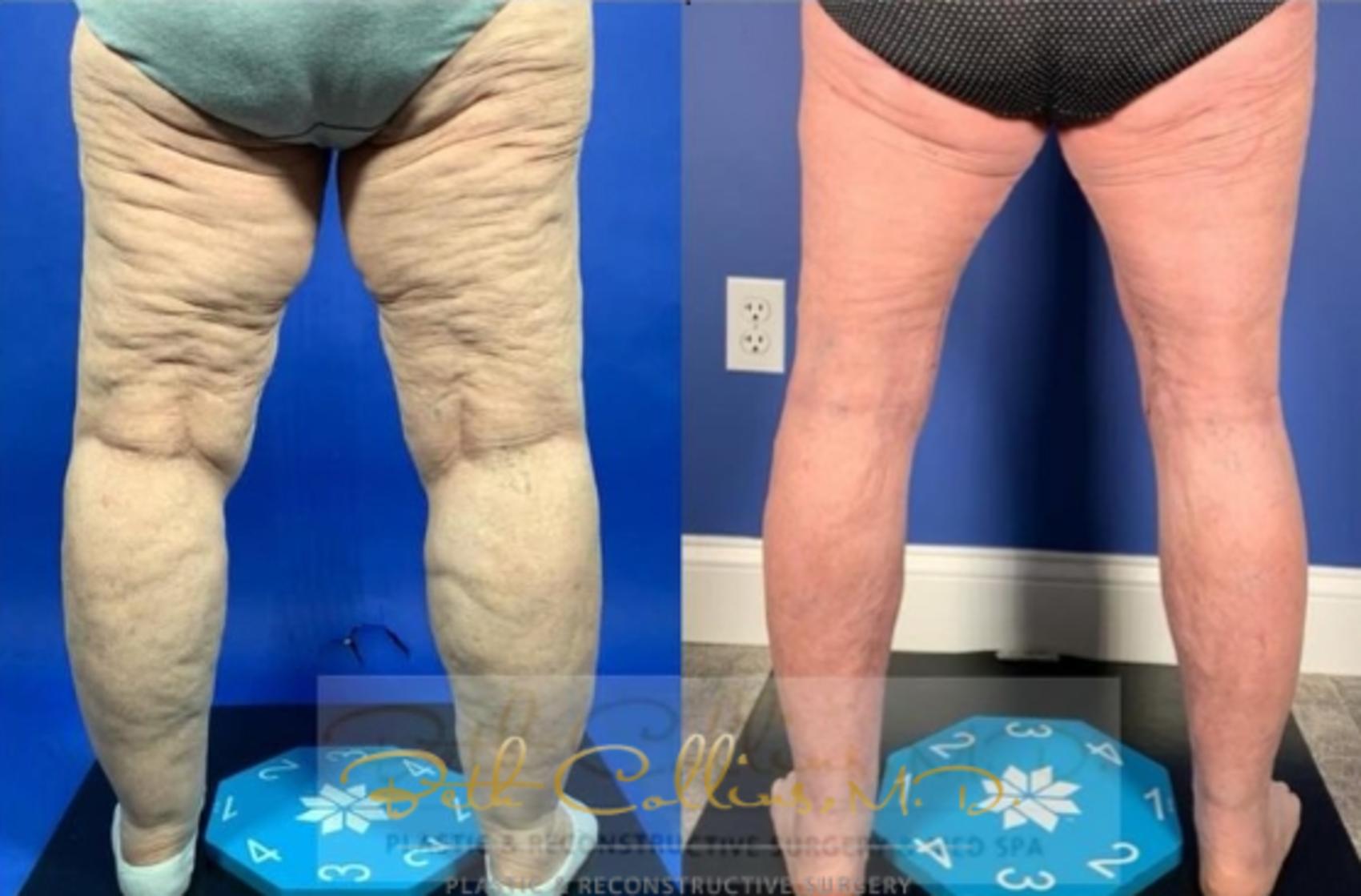
Before / After Gallery
Lipedema liposuction offers significant improvements beyond just appearance, reducing pain, improving mobility, and restoring quality of life lost to this condition. Patients often experience substantial reductions in leg volume, pain, bruising, and movement limitations, allowing them to regain activities and confidence. Dr. Collins creates customized treatment plans based on your lipedema stage, affected areas, and symptoms to improve function and achieve a natural aesthetic outcome.
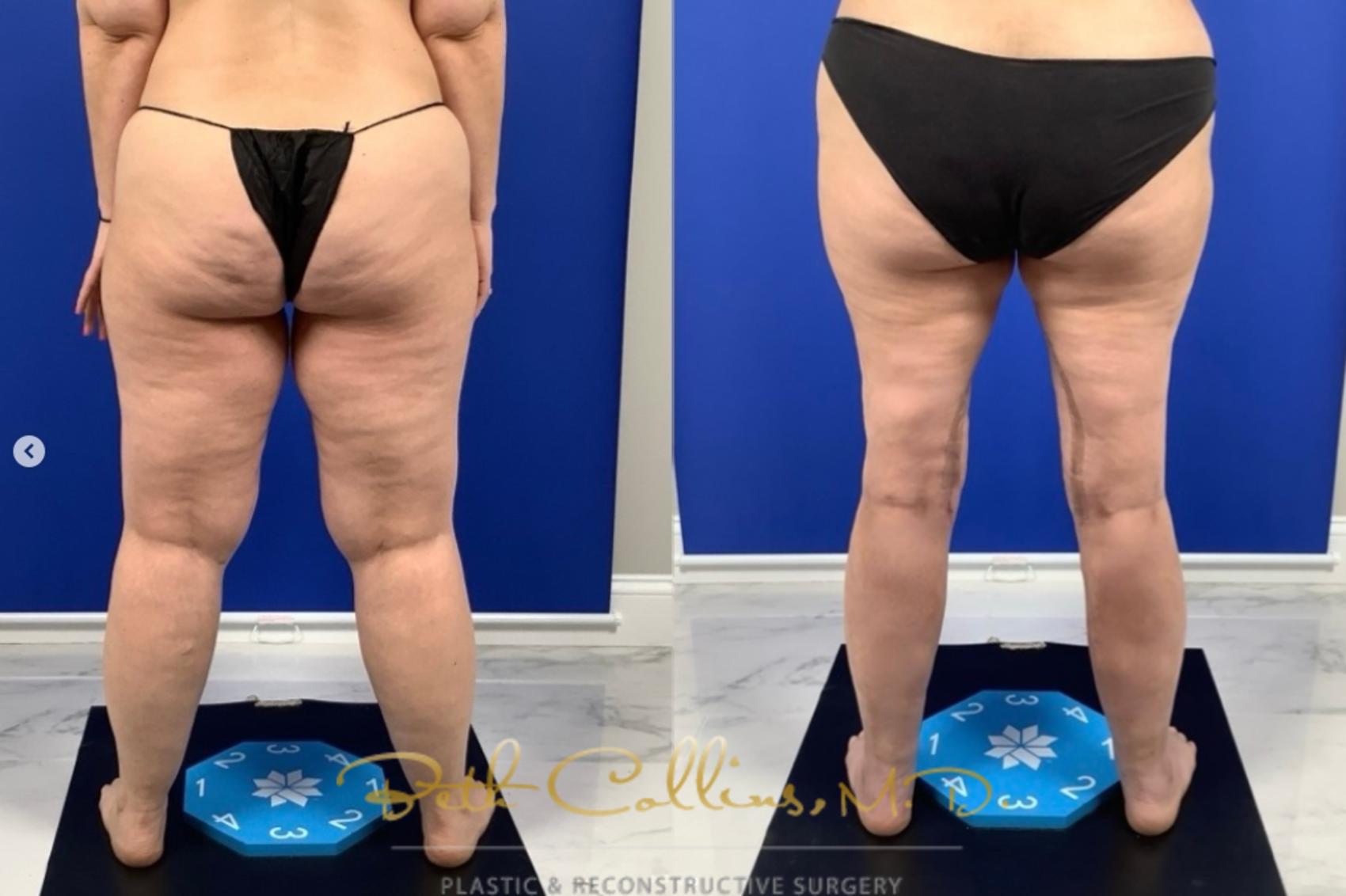
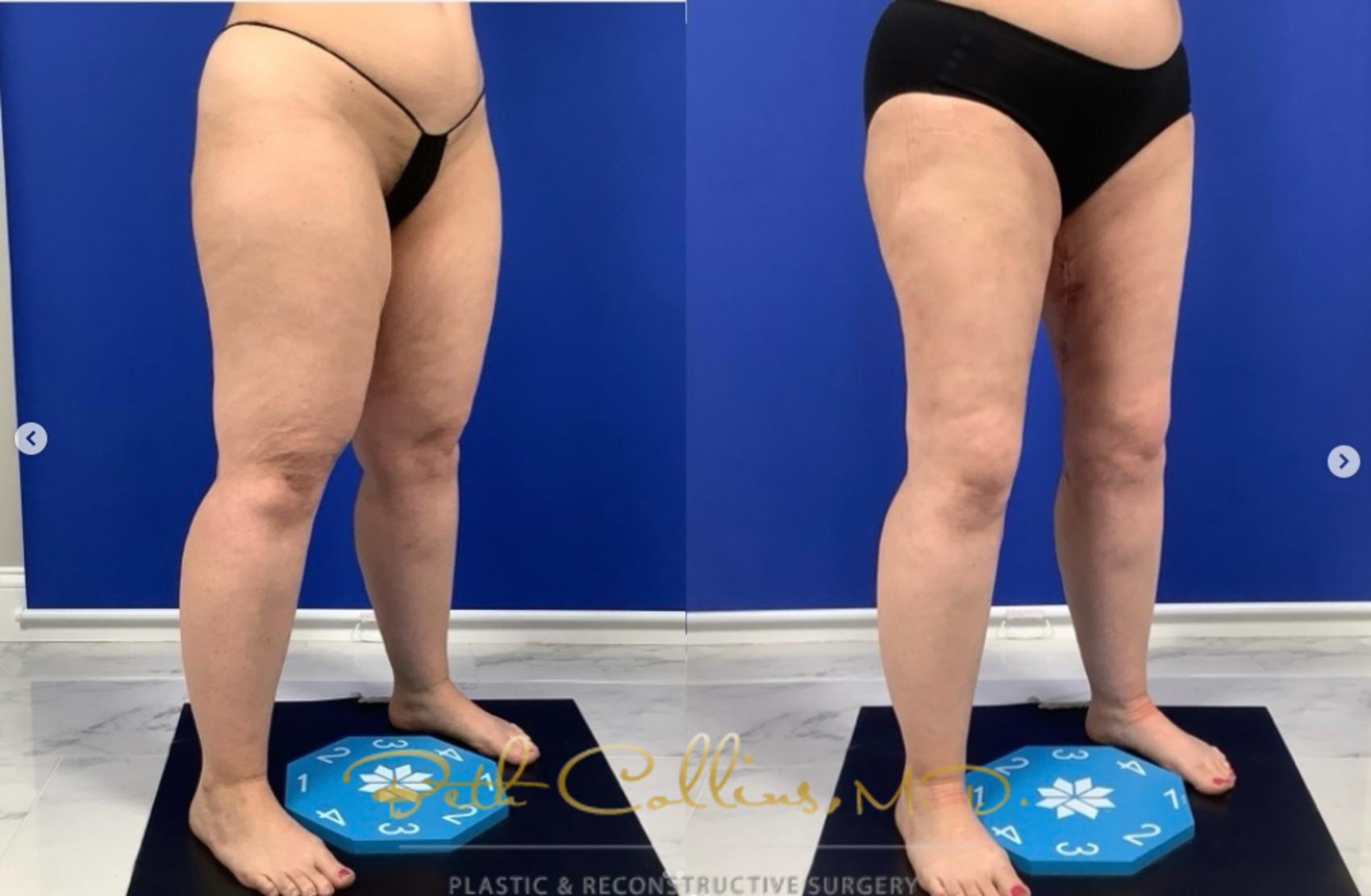
Treatable Areas
- Thighs and lower legs (most common)
- Buttocks and hips
- Knees and lower leg region
- Upper arms and forearms
- Inner thighs with characteristic “column legs”
- Areas causing pain, tenderness, and heaviness
- Regions with nodular, fibrotic fat texture beneath the skin
How Lipedema Liposuction Works
Lipedema liposuction removes abnormal fat tissue specific to this condition, using specialized techniques that protect your lymphatic vessels—a key difference from typical cosmetic liposuction. The procedure usually involves water-assisted liposuction (WAL) or tumescent liposuction done under local anesthesia, allowing for gentler, more precise fat removal with less damage to surrounding tissues.
During WAL, Dr. Collins injects a tumescent solution containing saline, local anesthetic, and medications to reduce bleeding and discomfort. She then uses a special cannula that emits a gentle water jet to carefully loosen the fibrotic lipedema fat from connective tissue, nerves, blood vessels, and lymphatic channels. This water jet technique enables precise fat removal while preserving lymphatic function, which is important because lipedema patients are at higher risk for secondary lymphedema.
The removed fat cells and tumescent fluid are suctioned out through the same cannula, systematically removing the tissue causing your symptoms. Depending on the amount of fat removed and your health, the procedure may be outpatient or require a short hospital stay. Multiple sessions spaced several months apart are often needed to address all affected areas safely. After surgery, you’ll wear compression garments for several weeks and may experience bruising, swelling, and soreness during healing. However, research shows these temporary discomforts are significantly less than the long-term pain reduction, improved mobility, and better quality of life that lipedema surgery provides.
Whether you need surgical precision, metabolic wellness, or non-surgical refinement, we look at the big picture. Let’s design a unified treatment plan that addresses your health and beauty under one roof.

Results You’ll Love
- Significant, lasting reduction in pain and tenderness
- Dramatic decrease in leg and arm volume
- Improved mobility and physical function
- Reduced bruising tendency
- Relief from feelings of heaviness and tension
- Prevention of lipedema progression to advanced stages
- Decreased need for conservative therapies like compression
- Profound improvements in quality of life and psychological wellbeing
Are You a Candidate for Lipedema Liposuction?
- You’ve been diagnosed with lipedema through clinical evaluation
- You have bilateral, symmetrical fat buildup in your legs or arms resistant to diet and exercise
- You experience pain, tenderness, heaviness, or easy bruising in affected areas
- Your symptoms started or worsened during hormonal changes like puberty, pregnancy, or menopause
- You have a family history of similar body type and symptoms
- Conservative treatments like compression therapy provide only temporary relief
- Your lipedema is significantly impacting your mobility and quality of life
- You’re in overall good health and can commit to post-operative compression therapy
Why Choose The Collins Center
- Regional lipedema treatment expertise – Dr. Collins is among the few plastic surgeons in all of New England offering specialized lipedema surgery, providing access to life-changing treatment close to home.
- Years of body contouring specialization – Her extensive experience performing large volume liposuction and complex body procedures translates directly to superior outcomes for lipedema patients
- Dual board certification distinction – Credentials from both the American Board of Surgery and American Board of Plastic Surgery demonstrate comprehensive surgical training and exceptional skill
- Patient advocacy commitment – Dr. Collins actively helps patients navigate insurance coverage options and provides resources for accessing medical necessity documentation
- Compassionate patient care philosophy – Understanding that lipedema is a misunderstood, under-diagnosed condition, Dr. Collins approaches each patient with empathy, education, and genuine desire to help.
FAQs about Lipedema Liposuction
How is lipedema diagnosed?
Lipedema needs a doctor’s diagnosis based on your medical history and a physical exam, there’s no specific blood test or scan to confirm it. Your doctor will look at symptoms like fat buildup in both legs and arms, without affecting your hands and feet. Other signs include pain, tenderness, easy bruising, and often, the condition starts around hormonal changes. Family history and difficulty with diet and exercise are also considered. During the physical exam, your doctor will visually inspect and feel the skin to check for firm, nodular fat.
Will insurance cover lipedema liposuction?
Insurance coverage varies significantly by provider and individual circumstances. Some insurers now recognize lipedema as a legitimate medical condition and cover surgical treatment when medical necessity is documented—particularly in advanced stages after conservative therapies have failed. Dr. Collins’ office can help you navigate insurance documentation, and resources like CoverLipedema.com provide valuable advocacy support.
How many lipedema surgery sessions will I need?
Most patients require multiple treatment sessions spaced several months apart to comprehensively address all affected areas while maintaining safety. The exact number depends on your lipedema stage, extent of tissue involvement, and amount of fat requiring removal. Research shows that patients undergoing multiple sessions report better outcomes, particularly regarding general health status.
What’s the difference between lipedema liposuction and cosmetic liposuction?
Lipedema liposuction is a medical treatment focused on removing diseased, fibrotic fat tissue to reduce pain and improve function—not primarily for aesthetics. It uses specialized lymph-sparing techniques that protect your lymphatic vessels, which standard cosmetic liposuction may not prioritize. Lipedema surgery typically removes larger volumes of tissue, takes longer, and requires expertise in treating this specific medical condition.
What is water-assisted liposuction for lipedema?
Water-assisted liposuction (WAL) uses a gentle water jet to dislodge lipedema fat while preserving surrounding lymphatic vessels, nerves, blood vessels, and connective tissue. This technique causes less trauma than traditional liposuction and is particularly well-suited for lipedema treatment because it minimizes lymphatic damage—crucial since lipedema patients face elevated risk for secondary lymphedema.
How long do lipedema liposuction results last?
Research demonstrates that lipedema surgery provides lasting benefits for pain reduction, volume reduction, and quality of life improvements for many years—with some studies documenting maintained benefits up to 8 years post-treatment. Importantly, lipedema surgery can slow or even halt disease progression, preventing advancement to more severe stages. However, maintaining results requires ongoing healthy lifestyle habits and compression therapy as recommended.
What should I expect during lipedema surgery recovery?
You’ll experience bruising, swelling, and soreness for several weeks following surgery and must wear compression garments continuously during initial healing. Most patients can resume light activities quickly, though full recovery takes several months. The temporary discomfort is manageable with prescribed pain medication, and research consistently shows patients find recovery very worthwhile given the dramatic improvements in pain, mobility, and quality of life that follow
If you’ve been struggling with unexplained leg or arm pain, swelling, and disproportionate fat accumulation, schedule a consultation with Dr. Collins today to explore whether lipedema treatment could change your life.