
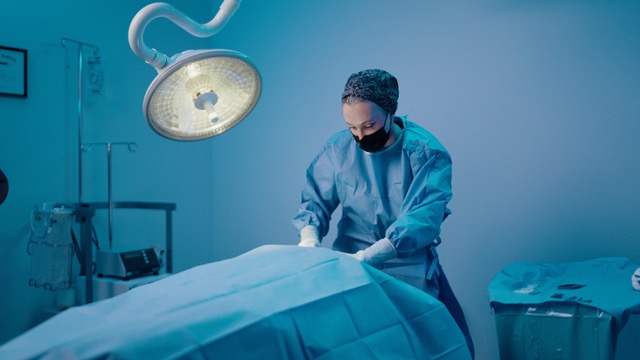
Mesh reinforcement is a significant step forward in surgery, using medical-grade materials to support tissues during body contouring and breast procedures. This helps solve a major challenge in plastic surgery: keeping repaired tissue in place for the long term, especially with weakened muscle, tissue separation, or previous surgeries.
At The Collins Center, Dr. Beth Collins uses both absorbable and permanent mesh when it’s appropriate. This internal scaffold supports healing while reducing the chance of problems returning. With her training and experience, Dr. Collins knows when mesh will significantly improve your results.
Treatable Areas
- Weakened or separated abdominal muscles (rectus diastasis) requiring reinforcement
- Lower pole support in breast reconstruction or revision procedures
- Abdominal wall hernias combined with body contouring surgery
- Inframammary fold stabilization to prevent implant migration
- Pectoralis muscle support during tissue expander breast reconstruction
- Internal breast lift support (internal bra technique)
- Post-bariatric body contouring requiring enhanced tissue strength
How Mesh Tissue Reinforcement Works
During the procedure, biocompatible mesh is strategically placed to provide extra support where needed, such as under breast implants to prevent movement, across separated abdominal muscles to strengthen repairs, or along hernia sites to reduce the risk of recurrence. The mesh acts as a scaffold, providing immediate strength while the body builds its own collagen.
The placement varies by surgery. In abdominoplasty, mesh is placed behind the abdominal muscles after repair, securing it with multiple points to distribute tension effectively, better than sutures, which can weaken tissue. For breast surgery, mesh might be placed between the muscle and implant, creating a supportive sling for optimal shape and position. The mesh is integrated with the anatomy as the tissue heals.
Whether you need surgical precision, metabolic wellness, or non-surgical refinement, we look at the big picture. Let’s design a unified treatment plan that addresses your health and beauty under one roof.

Results You’ll Love
- Dramatically reduced risk of surgical complication recurrence compared to traditional repair methods
- Enhanced structural support that maintains your surgical results for years to come
- Lower rates of implant malposition, bottoming out, or lateral displacement in breast procedures
- Near-zero hernia recurrence rates when mesh is properly incorporated into abdominal repairs
- Improved core strength and stability following complex abdominal wall reconstruction
- Faster tissue integration and vascularization with modern absorbable mesh technology
- Greater confidence knowing your procedure includes advanced reinforcement for optimal durability
- Peace of mind from choosing a surgeon experienced in complex reconstructive techniques
Are You a Candidate for Mesh Tissue Reinforcement?
- You have severe muscle separation (diastasis recti) measuring greater than three centimeters
- You’re undergoing hernia repair simultaneously with body contouring procedures
- You’ve experienced previous surgical complications like implant displacement or tissue failure
- You require breast reconstruction after mastectomy with limited tissue coverage
- You’ve undergone significant weight loss resulting in weakened abdominal wall structures
- Your tissue quality or medical history suggests higher risk for standard repair techniques
- You’re seeking the most advanced surgical approach to minimize revision risk
- You understand mesh reinforcement extends recovery time by approximately two to three weeks
Why Choose The Collins Center
- Fellowship-trained body contouring specialist with advanced reconstructive expertise. Dr. Collins completed specialty training at Emory University, one of the nation’s premier plastic surgery programs, mastering complex techniques like mesh reinforcement that many surgeons never learn.
- Over 25 years performing complex surgical procedures requiring precision and anatomical mastery. Dr. Collins’ extensive experience allows her to determine exactly when mesh reinforcement will optimize your outcome versus when traditional techniques suffice.
- Nationally recognized educator teaching advanced surgical methods to other physicians. Dr. Collins speaks at the American Society of Plastic Surgery and Women’s Plastic Surgery Conference, demonstrating her command of cutting-edge reconstructive approaches.
- Yale clinical instructor committed to evidence-based surgical excellence. Her academic role ensures she remains at the forefront of emerging techniques and safety protocols in plastic surgery.
- Comprehensive care philosophy that addresses both aesthetic goals and functional health. Every surgical plan considers structural integrity alongside beauty, ensuring transformations that serve your body’s long-term wellness.
FAQs about Mesh Tissue Reinforcement
What types of surgical mesh are available?
The choice depends on your specific surgical needs, tissue quality, and the type of reinforcement required. Absorbable mesh works well for breast procedures and moderate tissue support, while permanent mesh suits complex hernias and severe abdominal wall weakness.
Will the mesh be noticeable or affect how I look?
No. Surgical mesh is placed internally beneath muscle and tissue layers, making it completely invisible from the outside. It doesn’t alter your appearance but rather supports the surgical correction Dr. Collins creates, helping maintain those results over time. The mesh becomes integrated into your body’s tissue structure as healing occurs.
Does mesh reinforcement increase surgical risks or complications?
Modern surgical mesh has an excellent safety profile when properly placed by experienced surgeons. Dr. Collins’ studies show complication rates comparable to or lower than traditional techniques, with the added benefit of significantly reduced recurrence risk. The primary trade-off is slightly extended recovery time and early postoperative discomfort as your body incorporates the material.
How does mesh reinforcement affect recovery?
Recovery with mesh reinforcement typically extends by two to three weeks compared to standard procedures. You may experience additional early abdominal wall or chest discomfort as tissues adapt to the mesh presence, but this resolves as integration occurs. Dr. Collins provides comprehensive recovery protocols to ensure optimal healing and tissue incorporation.
Is mesh reinforcement covered by insurance?
Coverage depends on the medical necessity of your procedure. When mesh is used to repair hernias or address functional problems like severe muscle separation, insurance often provides coverage for that component. Cosmetic aspects like skin removal typically remain patient responsibility. Our team can help verify your specific coverage during consultation.
How long does surgical mesh last?
Absorbable mesh maintains strength for approximately six months before gradually dissolving over three years as your body’s natural collagen replaces it. Permanent mesh is designed to provide lifelong reinforcement. Dr. Collins will recommend the appropriate type based on whether temporary support during healing or permanent reinforcement better serves your needs.
Can mesh be removed if there’s a problem?
While modern mesh materials rarely require removal, it is technically possible if complications arise. Absorbable mesh naturally dissolves, eliminating this concern entirely. Dr. Collins’ meticulous surgical technique and careful patient selection minimize complication risks, with her published studies showing excellent outcomes and minimal mesh-related issues.
Discover how advanced surgical reinforcement creates results that truly last. Schedule your consultation with Dr. Collins in Guilford or Mystic, CT to explore whether mesh tissue reinforcement is right for your procedure.