
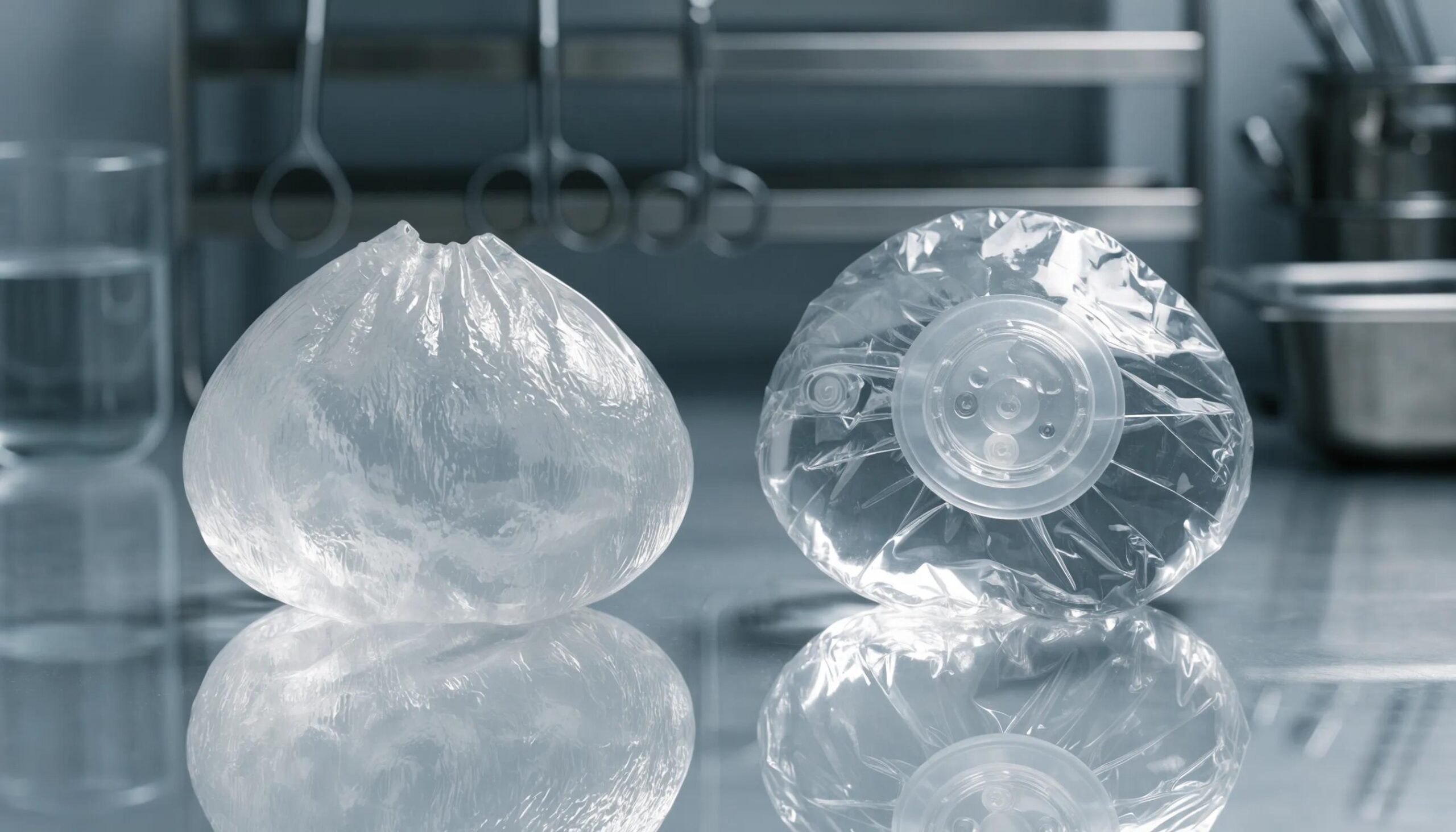
Silicone vs Saline Breast Implants: Comprehensive Safety Guide and Comparison for Informed Patients
Choosing between silicone and saline breast implants involves a thorough understanding of their safety, benefits, risks, and overall performance. This guide serves to illuminate the factual aspects of silicone versus saline implants, helping potential patients make informed decisions. With options varying widely in terms of material, feel, and aesthetic outcomes, understanding their differences is crucial. Both implant types have distinct advantages and possible complications that patients should consider deeply. This article will explore the types of implants, their benefits and risks, key distinctions, safety records, and essential considerations for patients contemplating breast augmentation.
Overview of Implants:
Breast implants are medical devices used to augment or reconstruct the breasts, filling them predominantly with either silicone gel or saline solution. Silicone implants are filled with a thick gel that mimics the feel of natural breast tissue, while saline implants comprise a sterile saltwater solution contained in a silicone shell. Each type has proven popular among patients for different reasons, with silicone implants often preferred for their natural appearance, while saline implants offer ease in monitoring for ruptures.
Benefits:

Both silicone and saline breast implants come with their unique set of advantages, appealing to different patient preferences and needs.
- Natural Feel and Appearance: Silicone implants closely resemble the texture and movement of natural breast tissue, making them the preferred choice for those seeking a realistic aesthetic.
- Cost-Effectiveness: Saline implants generally come at a lower price point, making breast augmentation more accessible for budget-conscious patients.
- Longevity: Both implant types have shown durability; however, silicone implants tend to maintain their shape better over time due to their cohesive gel.
After considering these benefits, it may be wise to consult with professionals specializing in aesthetic treatments and consultations for breast implants to make well-informed choices about augmentation.
Risks:

As with any surgical procedure, breast implants carry certain risks and possible complications. Understanding these risks can help prospective patients make informed choices regarding which implant type is suitable for them.
These varied risks must be weighed against the anticipated aesthetic benefit when deciding on an implant type.
What Are Common Complications Such as Capsular Contracture and Rupture Risks?
Capsular contracture, where scar tissue forms around the implant and tightens, can occur with both silicone and saline implants. However, the risk factors and management strategies may differ. Silicone ruptures can remain undetected, emphasizing the importance of regular check-ups and MRI screenings. In contrast, saline ruptures are visually apparent, leading to prompt action and replacement.
How Do Allergic Reactions and Implant Durability Differ Between Implant Types?
Allergic reactions to the materials are rare but can happen with both types of implants, depending on an individual’s sensitivities. Saline implants, made from sterile saltwater, are less likely to cause such reactions. In terms of durability, silicone implants have a reputation for maintaining their integrity longer, making them a favored option for many patients.
Key Differences:
The distinctions between silicone and saline breast implants can influence a patient’s decision based on preference and safety considerations.
- Visual and Tactile Differences: Silicone implants tend to feel more like natural breast tissue. In contrast, saline implants may feel firmer since they are filled with a liquid.
- Rupture Detection Methods: Silicone ruptures can go unnoticed for an extended period, while saline ruptures cause immediate deflation and visibility of the issue.
- Cost Variations: Generally, silicone implants come at a higher cost due to their manufacturing process and materials.
Safety Record:
The safety records of both silicone and saline implants have been extensively studied, contributing to ongoing discussions in the medical community. Over the years, both types have been refined through rigorous FDA evaluations, leading to improved designs and materials. Recent clinical studies indicate high patient satisfaction rates across both implant types.
How Have FDA Regulations and Safety Guidelines Evolved for Breast Implants in 2023?
In response to long-term safety studies, the FDA has strengthened its regulations and monitoring processes, ensuring that both silicone and saline breast implants meet stringent safety criteria. The evolution of these guidelines reflects a commitment to patient safety and care.
What Are the Latest FDA Approval Statuses and Labeling Requirements?
As of 2023, the FDA maintains updated approval statuses for various brands of implants, which include comprehensive labeling requirements detailing potential risks and benefits. This transparency is aimed at helping patients make informed decisions regarding their breast augmentation options.
How Do Regulations Impact Patient Safety and Surgeon Recommendations?
Compliance with FDA regulations helps to mitigate risks associated with breast implants, empowering surgeons to make informed recommendations tailored to individual patient needs.
What Is the Patient Journey From Initial Consultation to Recovery With Breast Implants?
Patients embarking on the journey of breast augmentation begin with an initial consultation, discussing their goals, expectations, and medical history. Surgeons evaluate the patient’s specific needs and provide recommendations for the type of implant best suited for their desired outcomes.
How Should Patients Prepare for Breast Implant Consultations?
Preparation for consultations should include forming questions, such as those concerning risks, recovery times, and different implant options. It’s also advisable for patients to bring along a family member or friend for support and guidance.
What Are Recovery Expectations, Timelines, and Wellness Considerations?
Post-surgery, patients can expect some discomfort and swelling, typical for most surgical procedures. Recovery timelines can vary, with full healing complete within several weeks. Following post-operative care instructions and attending follow-up appointments are crucial for ensuring a smooth recovery and optimal results.
Are Silicone Implants Safe Compared to Saline Implants?
Both types of implants are considered safe, but they differ in specific areas. Silicone implants pose a silent rupture concern, whereas saline implants allow for immediate detection upon rupture. However, the choice should consider personal preferences, desired outcomes, and any potential medical conditions.
What Happens If a Breast Implant Ruptures or Needs Revision Surgery?
In cases of rupture, immediate consultation with a medical professional is needed to address the issue. For silicone implants, an MRI may be recommended to assess the condition of the implant, while saline implants require simple replacement if deflated.
The comprehensive evaluation of silicone versus saline breast implants provides crucial insights that empower patients to make informed choices reflective of their safety concerns and aesthetic desires. Each option offers distinct characteristics tailored for individual patient needs, making consultations with qualified professionals essential for a satisfactory experience in breast augmentation.