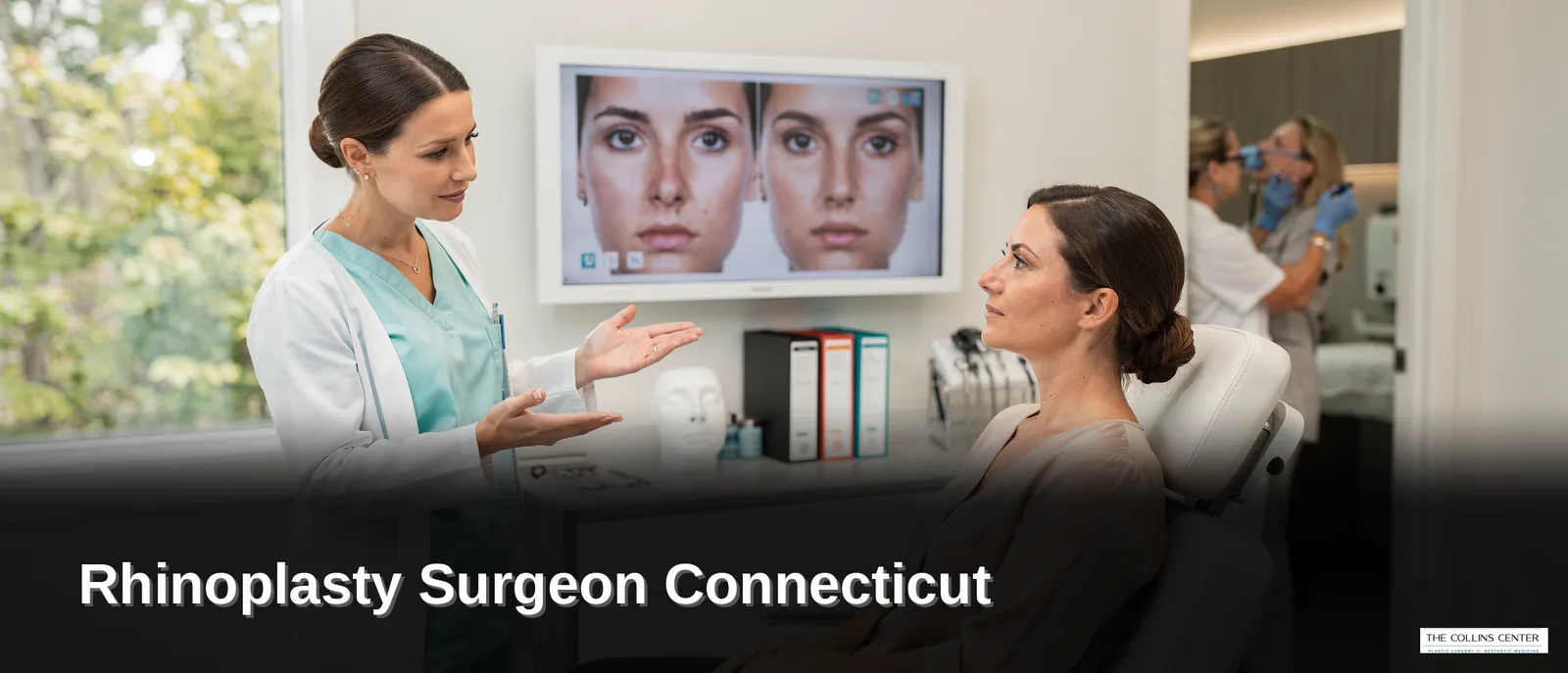
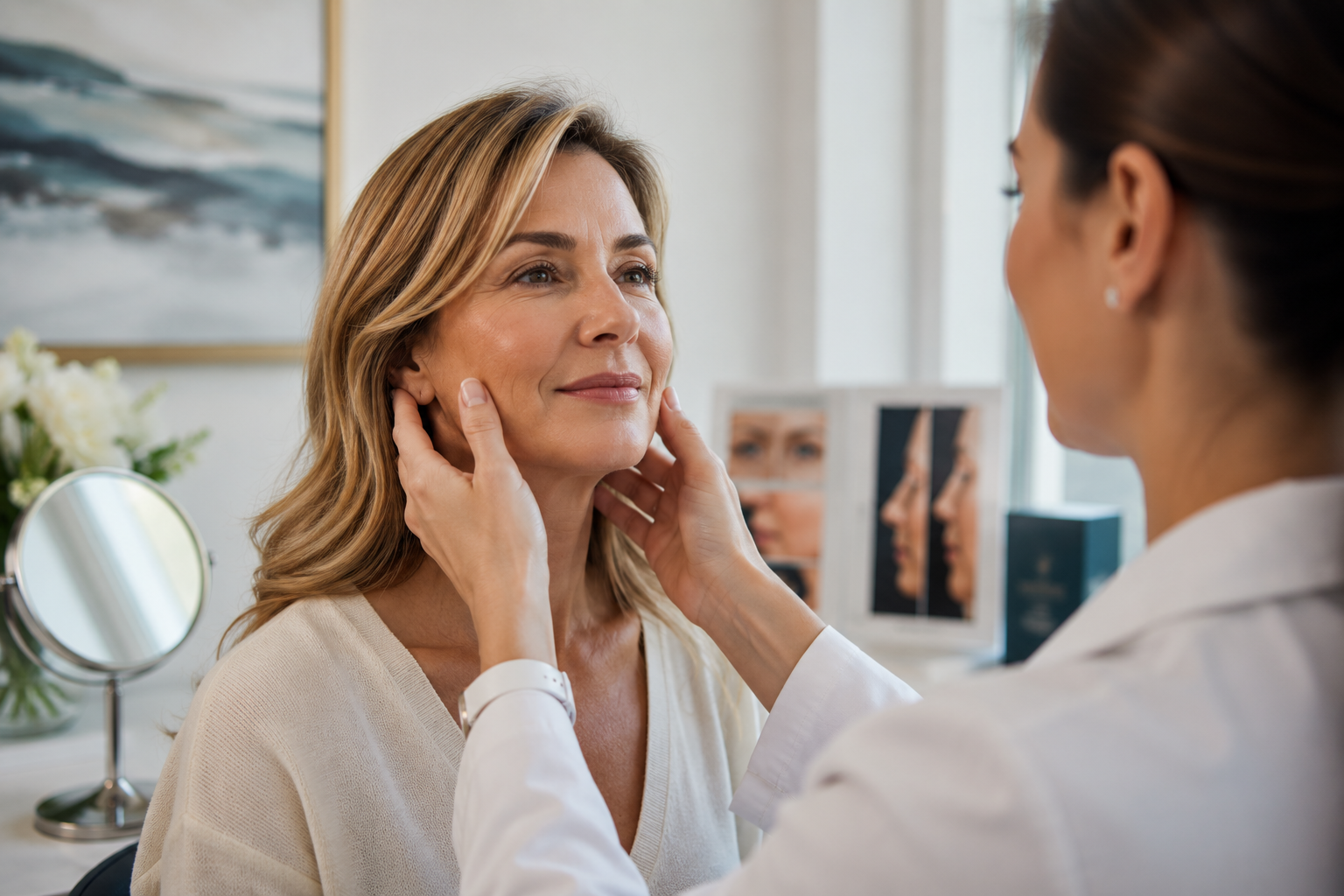
Choosing to pursue facial plastic surgery is a deeply personal decision, and it deserves guidance from a surgeon who understands both the art and the science of facial rejuvenation. At The Collins Center in Mystic, we work with adults throughout Connecticut who are exploring facial cosmetic surgery for the first time — whether they’re concerned about visible signs of aging, want better facial proportion and symmetry, or are focused on a specific feature like the nose, eyes, or jawline. This guide walks through the most common facial plastic surgery Connecticut patients ask about, from surgical procedures like rhinoplasty and the deep plane facelift to non-surgical facial rejuvenation options, so you can compare approaches before booking a consultation.
Why Patients Choose Facial Cosmetic Surgery in CT
Facial cosmetic surgery CT patients pursue is rarely about chasing a trend — it’s about restoring balance, confidence, and a natural, well-rested appearance. Common motivations include:
- Softening the visible effects of aging, such as sagging skin, jowls, and deep folds
- Improving facial symmetry or proportion, including the nose, chin, or jawline
- Refreshing tired-looking eyes caused by heavy or drooping eyelids
- Correcting a breathing obstruction alongside cosmetic nasal concerns
- Maintaining results with non-surgical treatments between or instead of surgery
Every patient’s anatomy, goals, and timeline are different, which is why an individualized consultation with a board-certified facial plastic surgeon is the right starting point rather than assuming one procedure fits every concern.
Rhinoplasty Connecticut Patients Trust for Facial Balance
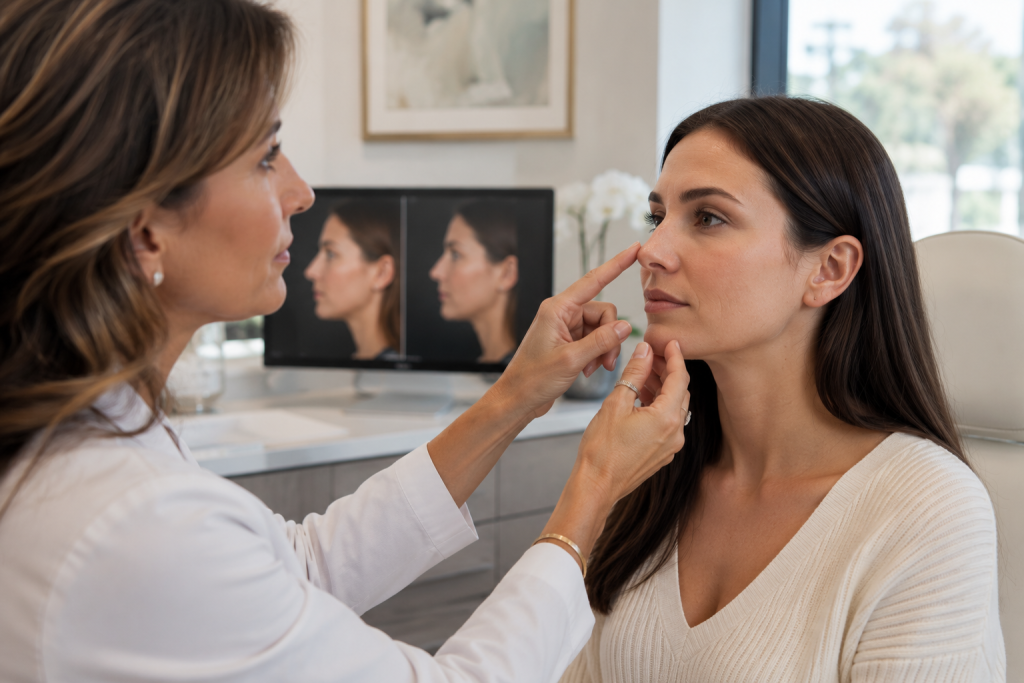
Rhinoplasty remains one of the most requested procedures because the nose sits at the center of the face and has an outsized effect on overall harmony. A rhinoplasty performed with facial plastic surgery training — rather than general cosmetic training alone — focuses on refining the nose’s shape, size, or profile while preserving (or improving) normal breathing function. This can mean smoothing a dorsal hump, refining a bulbous or drooping tip, narrowing wide nostrils, or correcting asymmetry from a prior injury. Because the nose is so visually prominent, subtlety and precision matter: the goal is a result that looks proportionate to the rest of the face, not simply “different.”
Facelift Connecticut Options: The Deep Plane Facelift
For patients noticing sagging in the mid-face, jowls, or neck, a facelift Connecticut surgeons perform today looks very different from the facelifts of decades past. Rather than simply pulling skin tighter — which can create an artificial, wind-blown look — the deep plane facelift repositions the underlying facial muscles and connective tissue (the SMAS layer) to their more youthful position, then redraped skin settles naturally over that improved foundation. This deeper, structural approach is generally associated with more natural-looking, longer-lasting results because it addresses the cause of facial sagging rather than just its surface appearance. A thorough consultation will determine whether a full deep plane facelift, a more limited lift, or a facelift combined with a neck lift best matches your anatomy and goals.
Eyelid Surgery (Blepharoplasty): Rejuvenating the Eyes
The eyes are often the first place age becomes noticeable, and eyelid surgery (blepharoplasty) is designed to address that directly. Upper blepharoplasty removes excess, hooded skin that can make the eyes look tired or even impede peripheral vision, while lower blepharoplasty addresses puffiness, under-eye bags, and hollowing. Many patients combine eyelid surgery with a brow lift or facelift for a more comprehensive rejuvenation, while others pursue it as a standalone procedure to open up the eyes and restore a more alert, refreshed appearance.
Brow Lift: Restoring a Refreshed, Alert Expression
A heavy or low-set brow can make a person look perpetually tired, frustrated, or older than they feel — even when the eyelids themselves are in good shape. A brow lift repositions the forehead and brow to a more elevated, natural position, softening the deep horizontal lines and furrowed “11 lines” between the brows that come from years of muscle movement and gravity. Depending on the degree of correction needed, this can be performed as an endoscopic (minimally invasive) lift or a more traditional approach, and it’s frequently paired with upper eyelid surgery for balanced results across the upper face.
Non-Surgical Facial Rejuvenation Options
Not every patient is ready for — or a candidate for — surgery, and non-surgical facial rejuvenation has become a sophisticated option in its own right. Injectable treatments, neuromodulators, and skin-resurfacing technologies can soften fine lines, restore lost volume, improve skin texture, and maintain results between surgical procedures. Non-surgical options are also a common starting point for patients in their 30s and 40s who want to address early signs of aging before considering a facelift, brow lift, or eyelid surgery down the road. A knowledgeable consultation should be honest about what non-surgical treatments can and cannot achieve compared to surgical correction.
Why the Right Surgeon Matters as Much as the Right Procedure
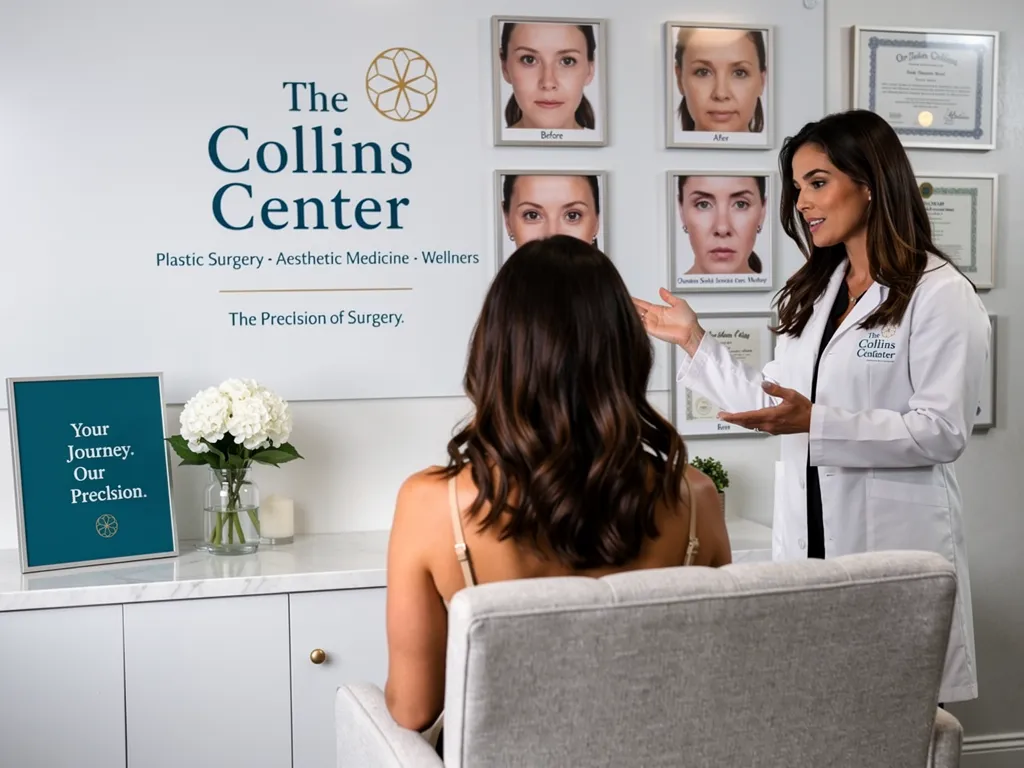
Choosing a board-certified facial plastic surgeon is one of the most important decisions in this entire process — arguably more important than the procedure itself. Board certification in facial plastic surgery means a surgeon has completed dedicated training focused specifically on the face, head, and neck, rather than general cosmetic or plastic surgery training applied to the face. That specialization matters: facial anatomy is intricate, and the margin for error in achieving a natural, balanced result is small. When comparing surgeons in Connecticut, ask about:
- Board certification specific to facial plastic and reconstructive surgery
- Before-and-after photos of patients with a similar facial structure or concern to yours
- Their experience with the specific procedure you’re considering, such as a deep plane facelift or rhinoplasty
- How they approach combination procedures if you’re considering more than one treatment
What to Expect at Your Consultation

A thorough consultation is where a generic list of procedures becomes a personalized plan. At The Collins Center, we take the time to understand your goals, evaluate your facial anatomy, and discuss which combination of surgical and non-surgical options will get you there safely and naturally. We’ll walk through realistic expectations, recovery timelines, and how a procedure like a facelift, rhinoplasty, eyelid surgery, or brow lift fits into your life — not just your face.
If you’re in Connecticut and ready to explore your options for facial cosmetic enhancement, our team at The Collins Center in Mystic is here to help you decide what’s right for you.
Frequently Asked Questions
How do I know if I need surgery or if non-surgical treatment is enough?
It depends on your goals, anatomy, and the degree of change you’re looking for. Non-surgical facial rejuvenation — injectables, neuromodulators, and skin-resurfacing treatments — can soften fine lines, restore volume, and improve texture, making it a good starting point for patients in their 30s and 40s. If you’re dealing with significant sagging, excess skin, or structural concerns like a dorsal hump or a heavy brow, surgery typically delivers more meaningful, longer-lasting correction. A consultation with a board-certified facial plastic surgeon is the best way to get an honest recommendation for your specific concern.
What makes a deep plane facelift different from a traditional facelift?
A traditional facelift primarily tightens skin, which can sometimes create an artificial, overly pulled look. A deep plane facelift instead repositions the underlying facial muscles and connective tissue (the SMAS layer) to a more youthful position, then lets the skin redrape naturally over that improved foundation. Because it addresses the structural cause of sagging rather than just the surface, results tend to look more natural and last longer.
Can rhinoplasty fix breathing problems as well as cosmetic concerns?
Yes. Rhinoplasty performed with facial plastic surgery training can address both function and appearance at once, refining the nose’s shape, size, or profile while correcting a breathing obstruction, such as a deviated septum, at the same time. Discussing both goals during your consultation ensures your surgeon plans for form and function together.
Are eyelid surgery and a brow lift often done together?
They frequently are. A heavy brow and hooded upper eyelids can both contribute to a tired or aged appearance, so many patients combine upper blepharoplasty with a brow lift for balanced, comprehensive rejuvenation across the upper face. That said, some patients only need one or the other — your consultation will clarify which combination best fits your anatomy.
Why does board certification in facial plastic surgery matter?
Board certification specific to facial plastic and reconstructive surgery means a surgeon has completed dedicated training focused on the face, head, and neck, rather than general cosmetic or plastic surgery training applied to the face. Given how intricate facial anatomy is and how little margin for error there is in achieving a natural result, that specialized training is one of the most important factors to look for when choosing a surgeon in Connecticut.