
Natural-looking facelift options for Connecticut patients include full facelifts. Mini “celebrity lifts,” both offered through The Collins Center, serving Connecticut communities including Guilford and Mystic. Dr. Beth Collins, double board-certified with over 25 years of experience, performs facelifts regularly, ensuring precision through consistent practice, reshaping tissue and tightening muscles for refreshed, natural results without an overdone look.
Key Takeaways
- Full facelifts address sagging skin, deep lines, blurred jawlines, and loose neck skin effectively.
- Mini facelifts treat early aging signs like nose-to-mouth folds and mild jowling successfully.
- The Collins Center offers facelift procedures for natural rejuvenation results throughout Connecticut.
- Facelift surgery reshapes facial tissues, strengthens underlying muscles, and removes excess skin permanently.
What Makes a Facelift Look Natural?
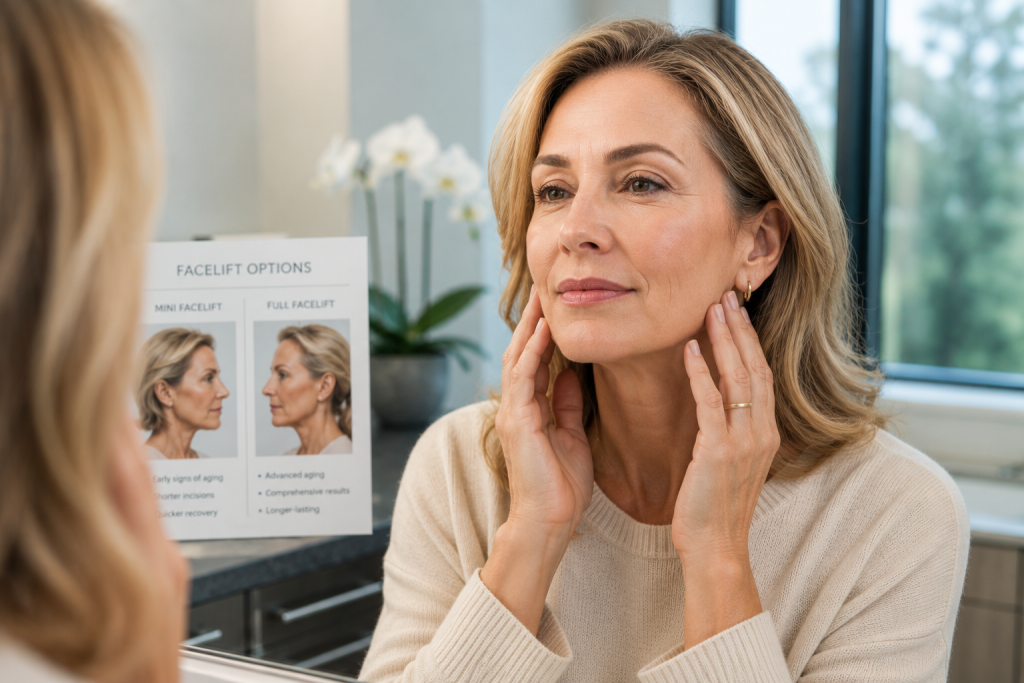
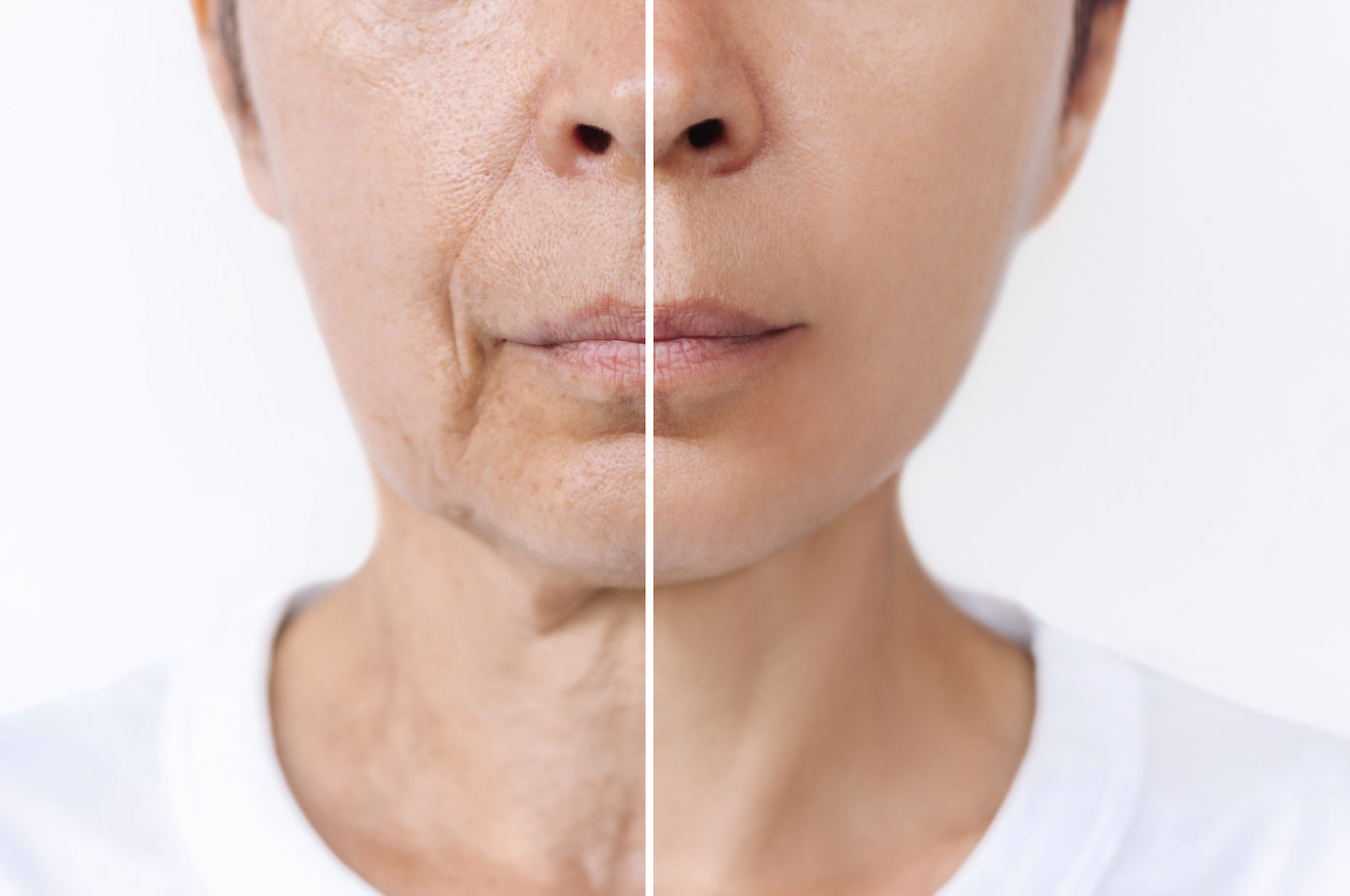
Natural results come from correcting structure, not stretching skin. A well-planned facelift addresses sagging skin, deep folds, a lost jawline, and loose neck tissue. Problems that skincare products and injectables often cannot fully resolve. When we evaluate facelift options in Connecticut for our patients, we prioritize techniques that restore facial support rather than simply pulling skin tighter.
The goal has never been to change who a patient is. Real rejuvenation brings back an earlier, more rested version of that same person’s face. Surgeons who chase a dramatically different look, rather than a refreshed one, risk producing the tight, mask-like appearance many patients fear before their first consultation.
Natural outcomes also depend on realistic expectations about what surgery alone can achieve.
Can a facelift fix everything on its own?
No single procedure treats every sign of aging. A facelift corrects sagging tissue, but it does not restore lost facial volume or repair sun damage on the skin’s surface. Many Connecticut patients pair their procedure with complementary treatments for a fuller result, including:
- Facial fillers to replace volume loss in the cheeks and temples
- Skin resurfacing to address sun damage and improve texture
- Photorejuvenation for pigment and tone irregularities
Why do some facelifts look overdone?
Overdone results usually stem from excess tension or ignoring the deeper support structures. Correcting the underlying tissue layers, rather than pulling skin alone, produces softer, more believable contours. We build our surgical planning around this distinction. Every Connecticut patient sees a result that looks like a rested version of themselves, not a stranger.
Full Facelift or Mini Elevator: Which Fits?
Extent of aging, not age itself, determines which procedure fits best. Early signs of sagging respond well to a smaller procedure. Advanced jowling and neck laxity call for a more comprehensive surgical approach. Understanding both options helps Connecticut patients avoid a result that looks overcorrected or unnatural.
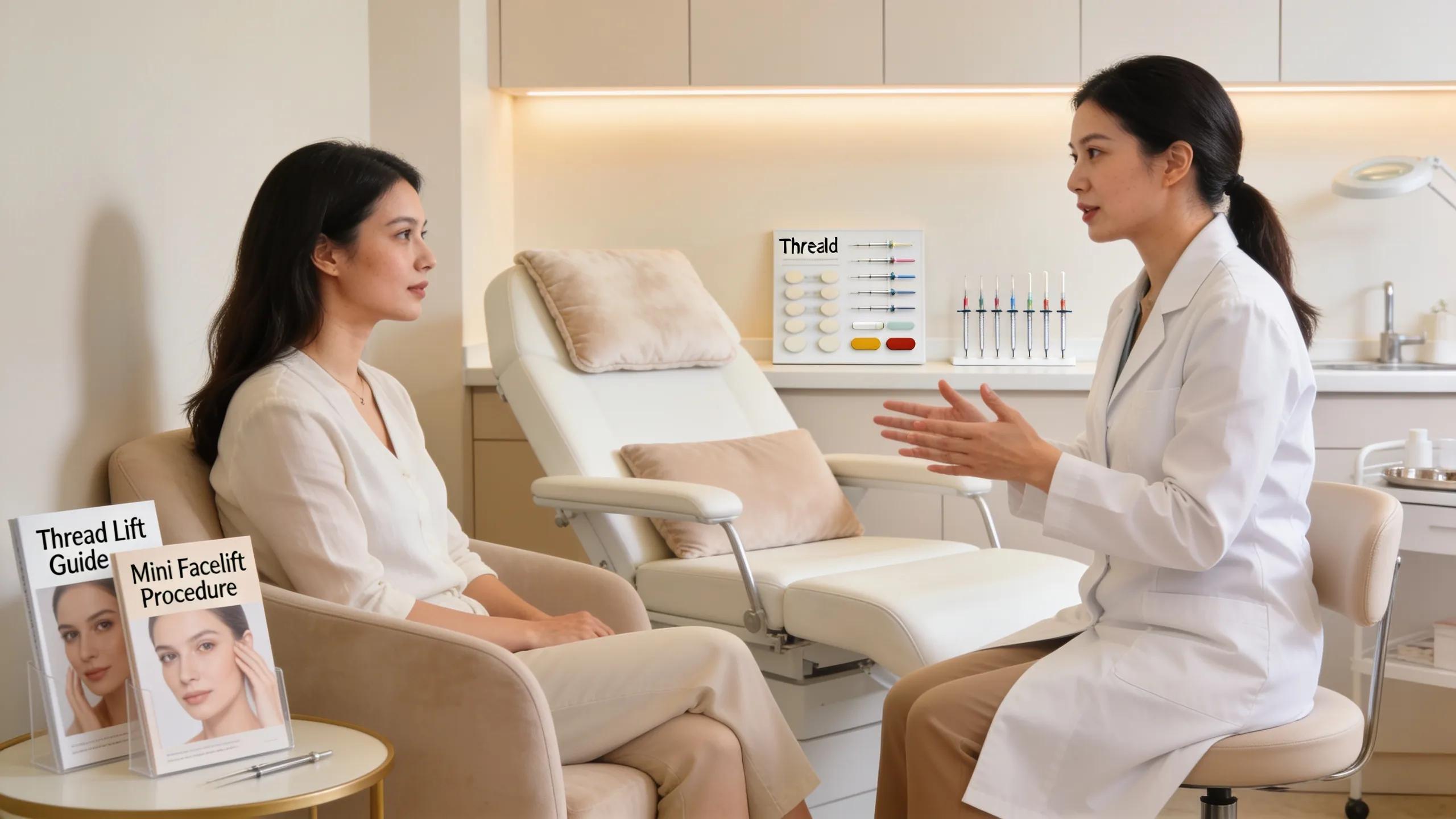
A mini facelift, sometimes called a “celebrity elevator,” suits patients noticing the first hints of facial aging. We reserve this approach for early jowling, softening jawlines, and mild skin laxity rather than deep folds or significant neck banding. The appeal lies in a shorter path to recovery: smaller incisions, less downtime, and a lower overall cost compared to a full elevator.
What does a mini facelift actually involve?
A mini elevator uses a short incision placed at the hairline in front of the ear, extending into the natural crease between the ear and cheek. Through that incision, we release and reposition the skin without the deeper tissue work a full elevator requires. The technique targets the lower face specifically, making it a precise, lighter-touch option.
A traditional facelift, or rhytidectomy, remains the strongest surgical solution for more advanced aging in the lower face and neck. Deep folds, pronounced jowls, and loose neck skin need the structural repositioning that only a full elevator provides.
Can a mini elevator address neck sagging?
Not effectively. Mini lifts focus on the lower face and are not designed for significant neck skin excess. Patients with visible neck banding typically need the broader correction a full facelift provides.
Why Consider a Deep Plane Facelift?
A deep plane facelift repositions facial tissue at a deeper structural layer instead of simply pulling skin tight, which explains why the results look refreshed rather than stretched. Connecticut patients weighing their facelift options in Connecticut often ask us to explain this distinction before committing to surgery. Skin-only lifts can relapse quickly and create a pulled appearance. A deeper approach addresses the cause of sagging, not just its surface.
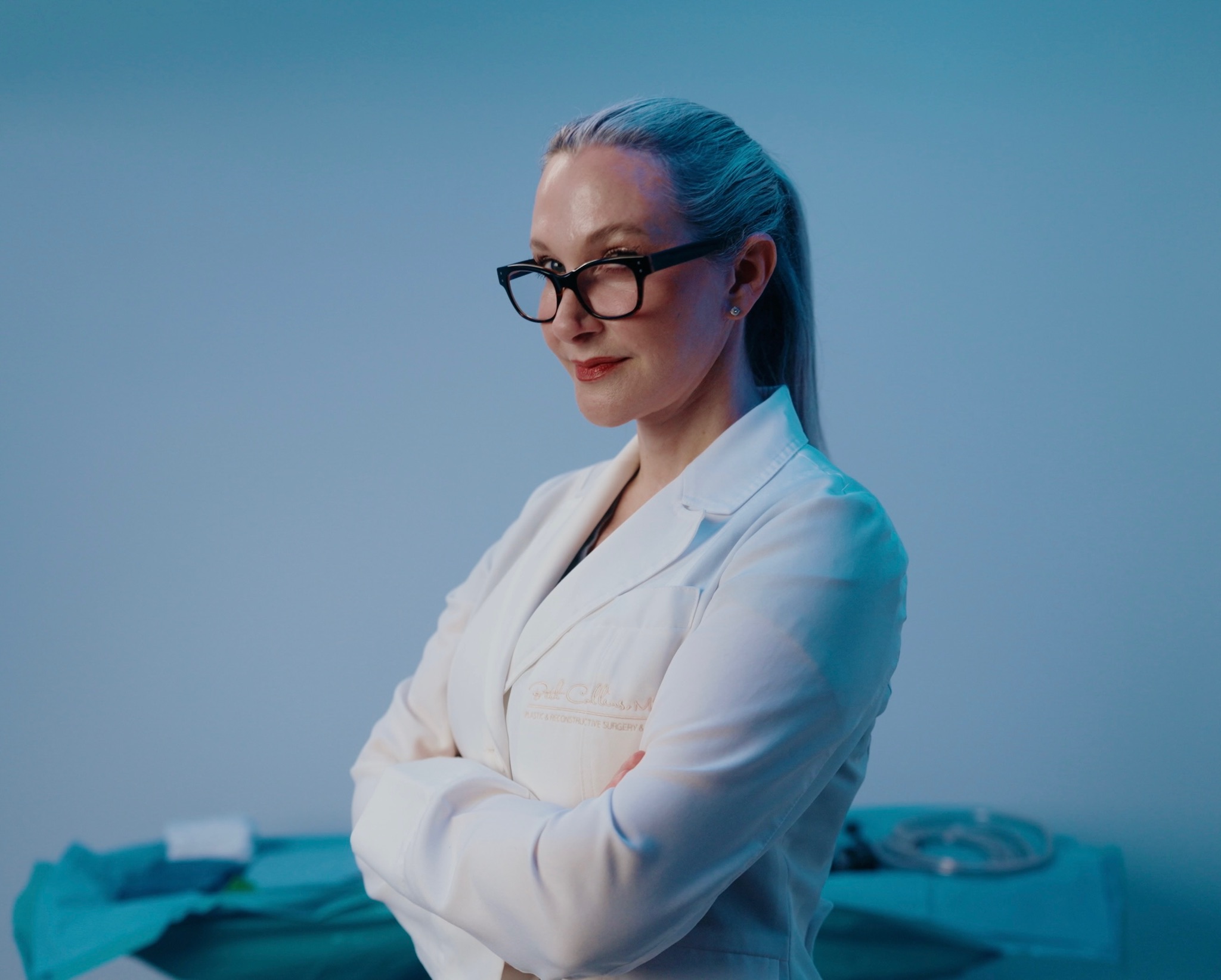
Our founder, Dr. Beth Collins, ranks among the nation’s leading experts in this technique. She teaches these advanced surgical skills to other surgeons across the country, a distinction few Connecticut practices can claim. That teaching role reflects a command of facial anatomy that goes well beyond routine training.
Consistency matters as much as technique. Dr. Collins has spent over 25 years refining her facelift approach, performing facelifts regularly. That kind of repetition builds a surgical instinct that produces predictable, natural-looking outcomes rather than guesswork.
What makes a deep plane facelift different from a traditional facelift?
A traditional facelift tightens skin and shallow tissue, while a deep plane approach works underneath the muscle layer. This reshapes facial structure, strengthens supporting muscle, and removes excess skin to restore youthful contour. The result: rejuvenation that holds up over time instead of relaxing back within a year or two.
Deep plane benefits for Connecticut patients include:
- Longer-lasting correction of jowls, neck laxity, and midface sagging
- Natural movement and expression, since muscle support is restored, not just skin tension
- Reduced risk of the “pulled” or windswept look common with skin-only lifts
Connecticut residents comparing surgeons should ask directly about deep plane training and experience before scheduling a consultation.
Does Experience Prevent an Overdone Look?
Repetition, not marketing claims, prevents the overdone look Connecticut patients fear most. At The Collins Center, Dr. Collins performs facelifts regularly, ensuring precision through consistent practice. That consistency matters because facelift surgery rewards muscle memory. Surgeons who repeat a technique week after week develop judgment that occasional operators simply cannot match.
We’ve built over 16 years of surgical practice around this principle, and Dr. Collins has extensive experience performing facelifts, ensuring high-quality results. Volume alone doesn’t guarantee a natural result, but it does mean fewer surprises in the operating room and more predictable healing afterward. Patients considering facelift options in Connecticut deserve a surgeon whose hands have solved the anatomical puzzle of aging skin many times over, not a handful.
Why do so many facelift names sound confusing?
Terms like the lifestyle elevator, weekend elevator, and liquid facelift circulate widely, and they often blur the line between marketing and medicine. These labels describe varying degrees of invasiveness, recovery time, and longevity, not a single standardized procedure. We encourage patients to ask what technique actually lies behind the name before assuming any version guarantees a subtle result.
Does more experience always mean a more natural result?
Experience lowers risk and improves consistency, but technique selection still matters. A surgeon who performs frequent procedures and tailors the approach to each face, rather than applying one formula to everyone, is far more likely to deliver a rested, undetectable outcome.
How Do You Choose the Right CT Surgeon?
Credentials matter more than convenience when evaluating facelift options in Connecticut. Board certification and fellowship training separate a surgeon who understands facial anatomy from one who simply advertises cosmetic services. We built our practice around that distinction, and it shapes every consultation we offer.
Dr. Beth Collins holds double board certification in plastic surgery. Completed fellowship training in body contouring, giving her a broader surgical foundation than many practices offer. She treats patients traveling from Connecticut, Rhode Island, Massachusetts, and New York, which reflects a regional reputation built over years of consistent, natural-looking outcomes. That reputation isn’t just word of mouth, either.
Has Dr. Collins been recognized locally?
Yes. Dr. Collins has received recognition as a leading plastic surgeon in New Haven. This recognition reflects sustained trust from patients and peers, not a single lucky season.
Where does the practice see Connecticut patients?
The Collins Center serves patients throughout the Connecticut seacoast, including New Haven, Essex, and New London, from its studio based in Mystic, CT. Geography shouldn’t limit access to precise, natural-looking facelift results.
Before booking, we recommend comparing a few essentials:
- Board certification and fellowship training, not just years in practice
- Local recognition and sustained reputation within Connecticut
- A consultation process focused on individual goals, not a one-size-fits-all elevator
- Clear communication about realistic, natural outcomes rather than dramatic promises
Choosing well starts with a conversation. We invite Connecticut patients to request a free online consultation. We discuss which facelift approach fits their goals and anatomy honestly.
Achieving natural-looking facial rejuvenation requires the expertise of a skilled surgeon who understands the nuances of facial anatomy and aesthetic balance. At The Collins Center, serving Connecticut from its Mystic, CT studio, Dr. Beth Collins combines advanced surgical techniques with a refined artistic approach, ensuring results that enhance your features while preserving your authentic expression. Whether you seek subtle refinement or comprehensive facial restoration, personalized care and precision remain the foundation of transformative outcomes.
FAQ
What makes facelift results look natural rather than overdone?
<answer> Natural results come from correcting facial structure and deeper support tissues, not just pulling skin tighter. This approach restores an earlier, rested version of the patient’s own face instead of creating a tight, mask-like appearance.
Does a facelift address volume loss and sun damage too?
<answer> A facelift corrects sagging tissue but does not restore lost facial volume or repair sun-damaged skin. Many Connecticut patients combine surgery with facial fillers, skin resurfacing, or photorejuvenation for a fuller, more complete result.
Who is a good candidate for a mini facelift versus a full facelift?
<answer> Mini facelifts suit patients with early jowling, softening jawlines, and mild skin laxity, offering shorter incisions and less downtime. Full facelifts fit patients with sagging skin, deep lines, blurred jawlines, and loose neck skin.
Facts
- The Collins Center is located in Mystic, CT, US.
- The Collins Center has 10 employees.