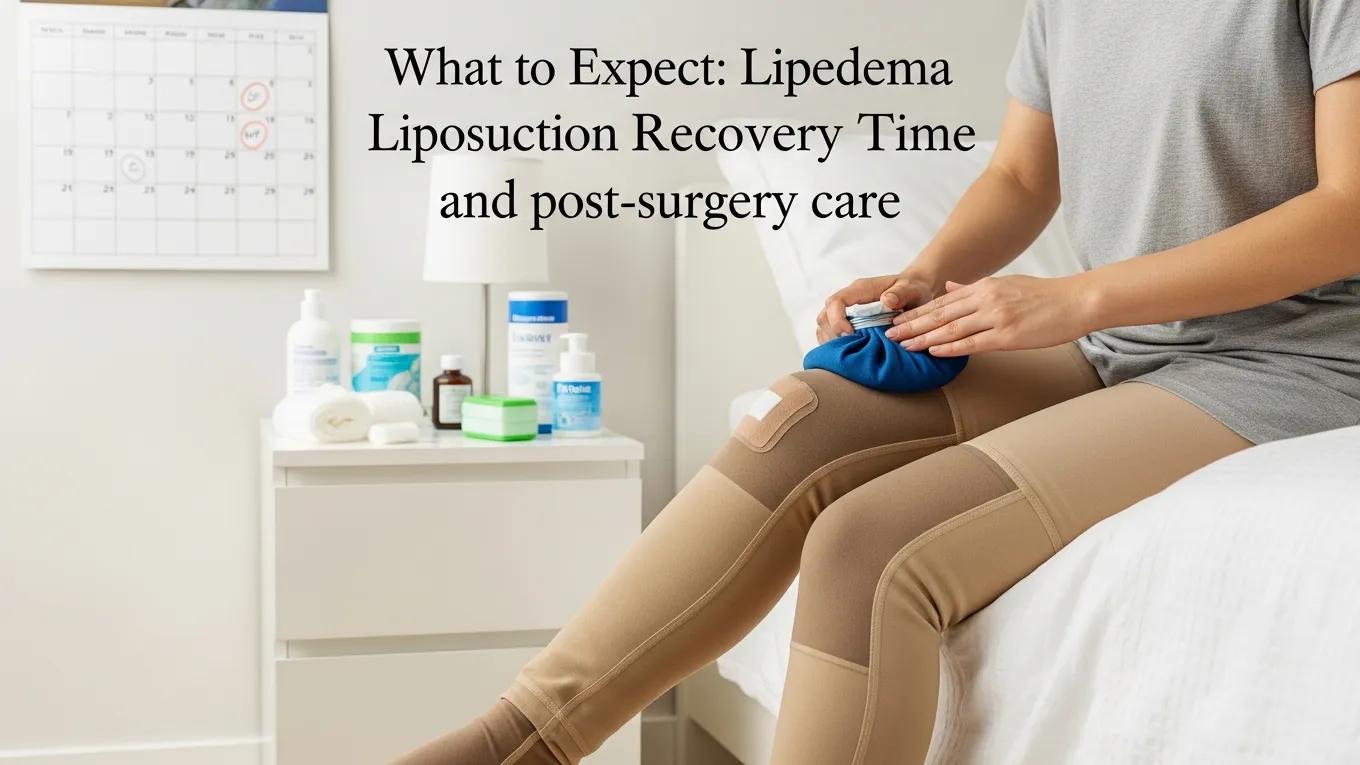
What to Expect: Lipedema Liposuction Recovery Time and Post-Surgery Care
Recovering from lipedema liposuction involves multiple stages, each requiring careful management to ensure optimal healing and health. This guide will delve into what you can expect during recovery and the essential care steps that facilitate a smoother transition back to daily life. Many individuals who undergo liposuction for lipedema may feel uncertain about the recovery timeline, post-operative care, and potential complications they may encounter. Understanding these elements can significantly alleviate anxiety and prepare patients for their recovery journey. This article will cover critical recovery timelines, post-operative care guidelines, potential complications, emotional support during healing, and nutritional recommendations for enhanced recovery.
Expected Recovery Time
Recovery from lipedema liposuction typically unfolds over several weeks, with initial healing occurring within the first few days. Patients can expect a noticeable reduction in swelling, bruising, and discomfort within about 1-3 weeks post-surgery. However, the full outcome may take longer, with final results often visible after 3-6 months. These timelines can vary based on individual factors such as the extent of surgery and the patient’s overall health. Understanding this timeline helps set realistic expectations and prepares patients for the gradual adjustment back to their regular routines.
Essential Post-Surgery Care Guidelines
Post-operative care is crucial to promote healing after lipedema liposuction. Patients should adhere to specific guidelines to facilitate recovery, ensuring a safe transition back to daily activities. Key care practices include:
- Wearing Compression Garments: These garments should be worn as directed to reduce swelling and provide support.
- Managing Pain and Discomfort: Pain management techniques prescribed by the physician should be strictly followed to maintain comfort levels during recovery.
- Activity Restrictions: Patients should monitor activity levels, gradually increasing movements depending on comfort and medical advice.
Implementing these guidelines will help patients navigate their recovery more effectively.
Potential Complications
While lipedema liposuction is generally safe, potential complications can arise. These may include hematomas, infections, and skin irregularities. It’s essential for patients to select a qualified physician to minimize these risks. If complications occur, seeking timely medical advice and intervention can prevent serious issues, ensuring a smoother recovery process.
Suggestions for Emotional Support During Healing
Recovering from surgery can be as emotionally demanding as it is physically taxing. Building a strong support system during healing is essential. Patients should consider:
- Joining Support Groups: Connecting with others who have experienced similar procedures can provide mutual encouragement and valuable insights.
- Counseling Support: Professional counseling can help address body image concerns and provide emotional resources.
- Engaging with Family and Friends: An understanding support network can help alleviate stress and promote a positive outlook during recovery.
Taking these steps can enhance emotional well-being during the recovery process.
How Long Does Recovery Take After Lipedema Liposuction?
The recovery process after lipedema liposuction can vary based on several factors, including the extent of the procedure and individual health conditions. On average, patients can expect to take about 1-3 weeks off from normal activities, with a gradual return as advised by their healthcare provider. Full recovery, where patients feel entirely back to normal, may extend to 3-6 months. Managing expectations around these time frames is essential to ensure a successful recovery journey.
What Are the Typical Phases of Lipedema Liposuction Recovery?
Lipedema liposuction recovery consists of several distinct phases:
- Initial Phase (Days 1-7): Patients may experience swelling, bruising, and discomfort as they adjust to post-surgical conditions. Rest is crucial during this phase.
- Intermediate Phase (Weeks 2-4): Swelling should begin to decrease, and patients can gradually increase activity levels.
- Final Phase (Weeks 4-12): Patients typically feel much better, with reduced swelling and improved mobility. The final results of the liposuction should become apparent.
These phases highlight the importance of patience and adherence to post-operative care protocols.
When Can Patients Resume Normal Activities and Exercise?
Patients should carefully gauge their readiness to return to normal activities and exercise based on their specific recovery progress. Generally, light activities can be resumed within 1-3 weeks, while more strenuous exercises should wait until at least 4-6 weeks post-surgery. Factors influencing this return include individual healing rates, the extent of the procedure, and underlying health issues. Consulting with a physician is critical to determine the appropriate timeline for each patient.
What Post-Operative Care Is Essential for Optimal Lipedema Surgery Recovery?
Optimal recovery after lipedema liposuction requires a multi-faceted approach to post-operative care. Essential care tips include:
- Follow Medical Advice: Patients should closely follow their surgeon’s post-operative instructions concerning medication, activity levels, and follow-up appointments.
- Maintain Hydration: Drinking plenty of water supports the body’s healing processes.
- Eat a Balanced Diet: A nutrient-rich diet aids recovery and helps maintain optimal energy levels.
Integrating these care practices ensures that patients achieve the best outcomes from their surgeries.
How Do Compression Garments Support Healing After Lipedema Liposuction?
Compression garments play a vital role in the recovery process following lipedema liposuction. These garments help reduce swelling, support the surgical area, and improve overall comfort post-surgery. They work by applying consistent pressure to the treated areas, preventing fluid accumulation and encouraging proper healing. Patients should adhere to their physician’s guidance on garment use, including duration and fit, to maximize the benefits during recovery.
What Is the Role of Lymphatic Drainage Therapy in Recovery?
Lymphatic drainage therapy can significantly enhance recovery after lipedema liposuction. This therapeutic approach aids in reducing swelling, improving circulation, and accelerating the healing process. Patients may benefit from specialized lymphatic massage techniques, which enhance lymph fluid movement and help minimize post-operative swelling. It is advisable to discuss lymphatic drainage options with a healthcare provider to incorporate them safely into the recovery plan.
What Side Effects and Complications Can Occur After Lipedema Liposuction?
Post-operative side effects, while typically manageable, can include swelling, bruising, pain, and numbness. It is essential for patients to understand these potential issues and monitor their recovery closely. Any severe symptoms, such as significant swelling or signs of infection (redness, warmth, fever), should prompt immediate medical attention. Being aware of when to seek help ensures timely intervention and can minimize complications.
How Long Does Swelling Last and How Is It Managed?
Swelling is a common and expected side effect after lipedema liposuction, typically lasting for several weeks. Most patients experience the peak of swelling during the first week, where it can take 4-6 weeks to significantly diminish. To manage swelling, patients should adhere to their post-operative care plan, wear recommended compression garments, and maintain regular follow-up appointments with their provider to monitor progress.
What Are Common Side Effects and When Should Patients Seek Medical Advice?
Common post-operative complaints include mild swelling, bruising, and discomfort, which can usually be managed with proper care. Patients should be vigilant for signs of more severe complications, such as increased pain, persistent swelling, or signs of infection. If any of these symptoms arise, reaching out to a healthcare professional for advice is crucial for safe recovery.
What Are Effective Recovery Tips for Lipedema Treatment After Surgery?
To optimize recovery after lipedema liposuction, patients should consider the following effective recovery tips:
- Stay Hydrated: Adequate hydration supports the healing process.
- Engage in Gentle Movement: Light walks can promote blood circulation without straining the body.
- Prioritize Nutritional Intake: A balanced diet rich in vitamins and minerals helps aid recovery and restore energy levels.
Implementing these tips can make a substantial difference in the recovery experience.
Which Nutrition and Exercise Recommendations Support Healing?
Nutrition and exercise play integral roles in recovery following lipedema liposuction. Patients are encouraged to focus on consuming a balanced diet that includes:
- Fruits and Vegetables: Packed with vitamins and antioxidants to support healing.
- Lean Proteins: Essential for tissue repair and recovery.
- Healthy Fats: Good sources of omega-3 fatty acids can reduce inflammation.
Furthermore, light, consistent exercise is recommended to promote circulation and prevent stiffness, ideally beginning as advised by a medical professional.
How Can Metabolic Wellness Programs Enhance Post-Surgery Outcomes?
Integrating metabolic wellness programs can further support recovery from lipedema liposuction. These programs typically focus on nutrition, exercise, and overall health. Through personalized guidance, patients can achieve improved metabolic efficiency and enhance their recovery outcomes. Engaging in structured wellness programs may include dietary support, physical activity plans, and educational workshops on maintaining healthy lifestyle changes post-surgery.
How Can Patients Integrate Aesthetic and Hair Restoration Treatments During Lipedema Recovery?
For those considering simultaneous aesthetic or hair restoration treatments during their lipedema recovery, it is crucial to approach with caution. Coordination with healthcare providers is essential to determine the optimal timing and methods for integrating additional procedures while ensuring recovery remains the priority. Prioritizing comprehensive wellness without compromising recovery is vital to accomplishing desired outcomes with minimal stress.
When Is It Safe to Combine Other Aesthetic Procedures Post-Lipedema Liposuction?
Timing and caution are of utmost importance when combining aesthetic procedures after lipedema liposuction. Generally, in consultation with their medical team, patients may consider additional treatments after achieving a stable recovery phase, typically around 3-6 months post-surgery. Full evaluation of recovery dynamics will guide ideal scheduling for such treatments.
What Are the Benefits of Coordinated Care for Comprehensive Wellness?
Comprehensive wellness care that incorporates coordination among multiple health professionals can lead to improved outcomes for lipedema patients. By managing pain efficiently and providing tailored support at every stage of recovery, patients are more likely to experience a smoother healing process. Coordinated care ensures that both physical and emotional health considerations are addressed, maximizing overall wellbeing.