Ultherapy vs Thermage for Facial Skin Tightening: Detailed Comparison and Treatment Guide
In the quest for youthful skin and effective facial rejuvenation, non-invasive treatments like Ultherapy and Thermage have gained significant popularity. Both methods offer unique advantages in skin tightening, leveraging different technologies to help achieve a more youthful appearance. This article delves into the core aspects of Ultherapy and Thermage, comparing their mechanisms, benefits, and potential risks to help you make an informed decision about facial skin tightening options. Many individuals suffer from skin laxity as they age, yearning for solutions that do not involve surgical interventions. This guide will clarify how each treatment stimulates collagen production, their respective benefits and drawbacks, as well as cost considerations.
The increasing demand for non-surgical options has led to significant advancements in skin tightening techniques.
Advances in Non-Surgical Skin Tightening Technologies
The skin laxity component of facial aging has been traditionally addressed with surgical intervention. However, demand for alternative treatment options with less associated risk, scarring, downtime, and cost have driven advances in non-surgical tightening techniques. This article explores the recent advances in these non-surgical technologies for skin tightening including microcoring, hydroxyapatite fillers, and energy-based devices (lasers, ultrasound, radiofrequency, and plasma). New technologies in skin tightening, 2021
What Are Ultherapy and Thermage Treatments?
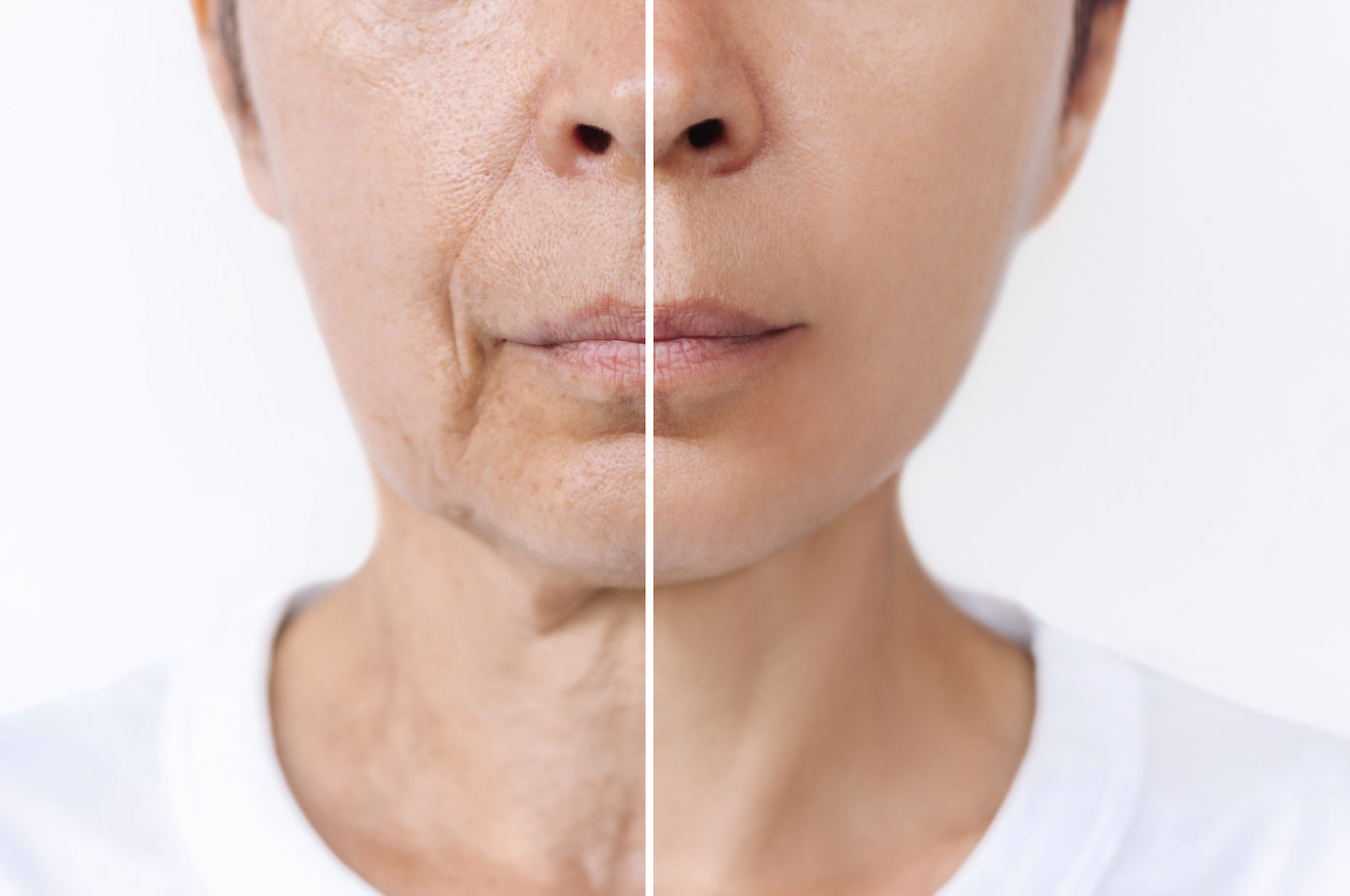
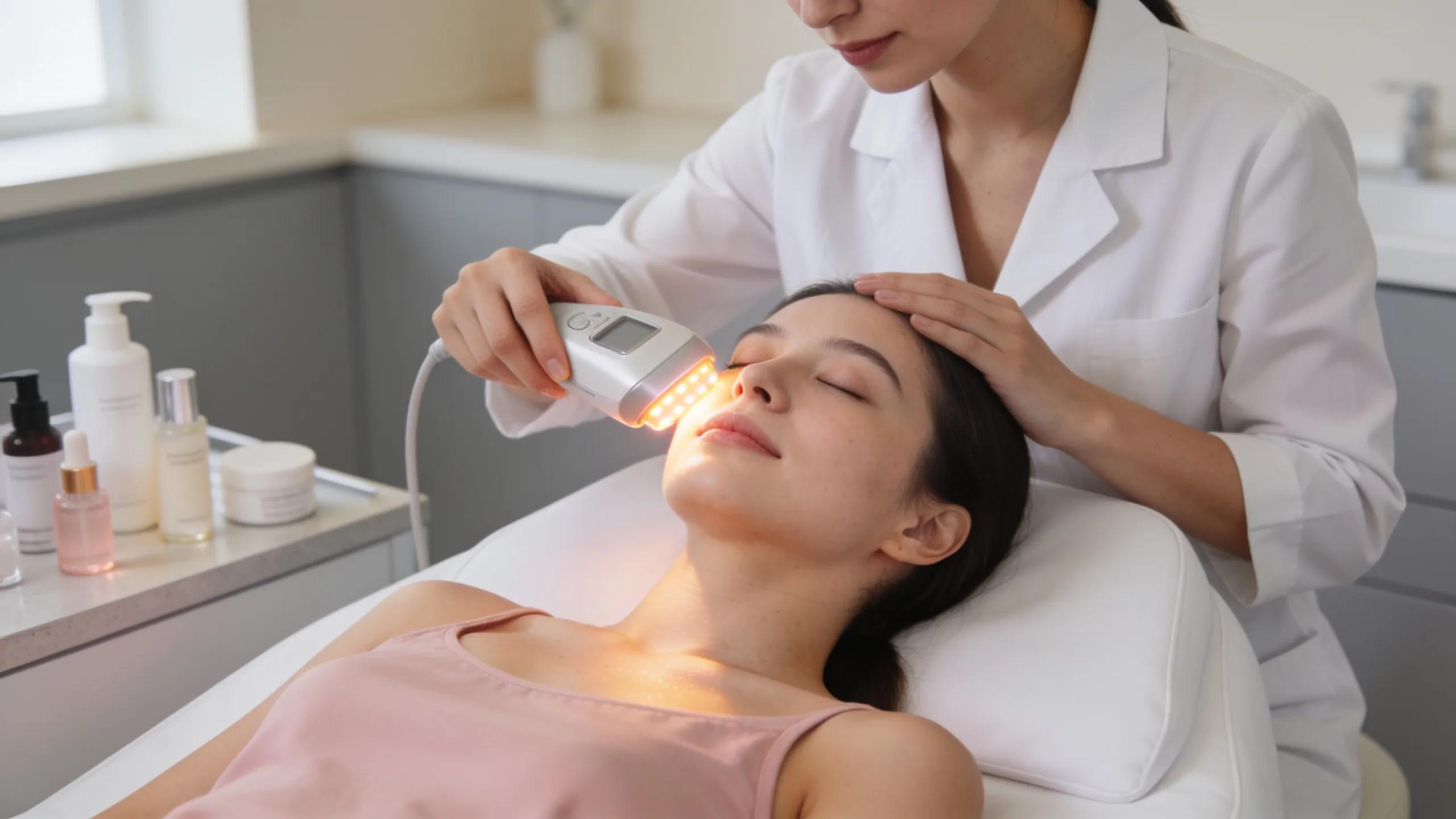
Ultherapy and Thermage are non-invasive aesthetic treatments designed to lift and tighten skin. Ultherapy uses ultrasound technology to deliver heat energy deep into the skin, which stimulates collagen production and promotes skin tightening. Thermage, on the other hand, employs radiofrequency energy to rejuvenate the skin by heating the dermis and enhancing collagen production, resulting in a smoother, tighter appearance.
How Does Ultherapy Use Ultrasound for Skin Tightening?

Ultherapy utilizes ultrasound energy to target the foundational layers of the skin, typically addressed in cosmetic surgery, without any incisions. The ultrasound waves generate a controlled amount of heat that stimulates collagen production. This process tightens the existing collagen strands and encourages the creation of new collagen, providing noticeable tightening and lifting effects over time. Patients can expect gradual improvements in skin texture and elasticity, allowing for a refreshed look that continues to develop over several months.
How Does Thermage Use Radiofrequency for Facial Rejuvenation?
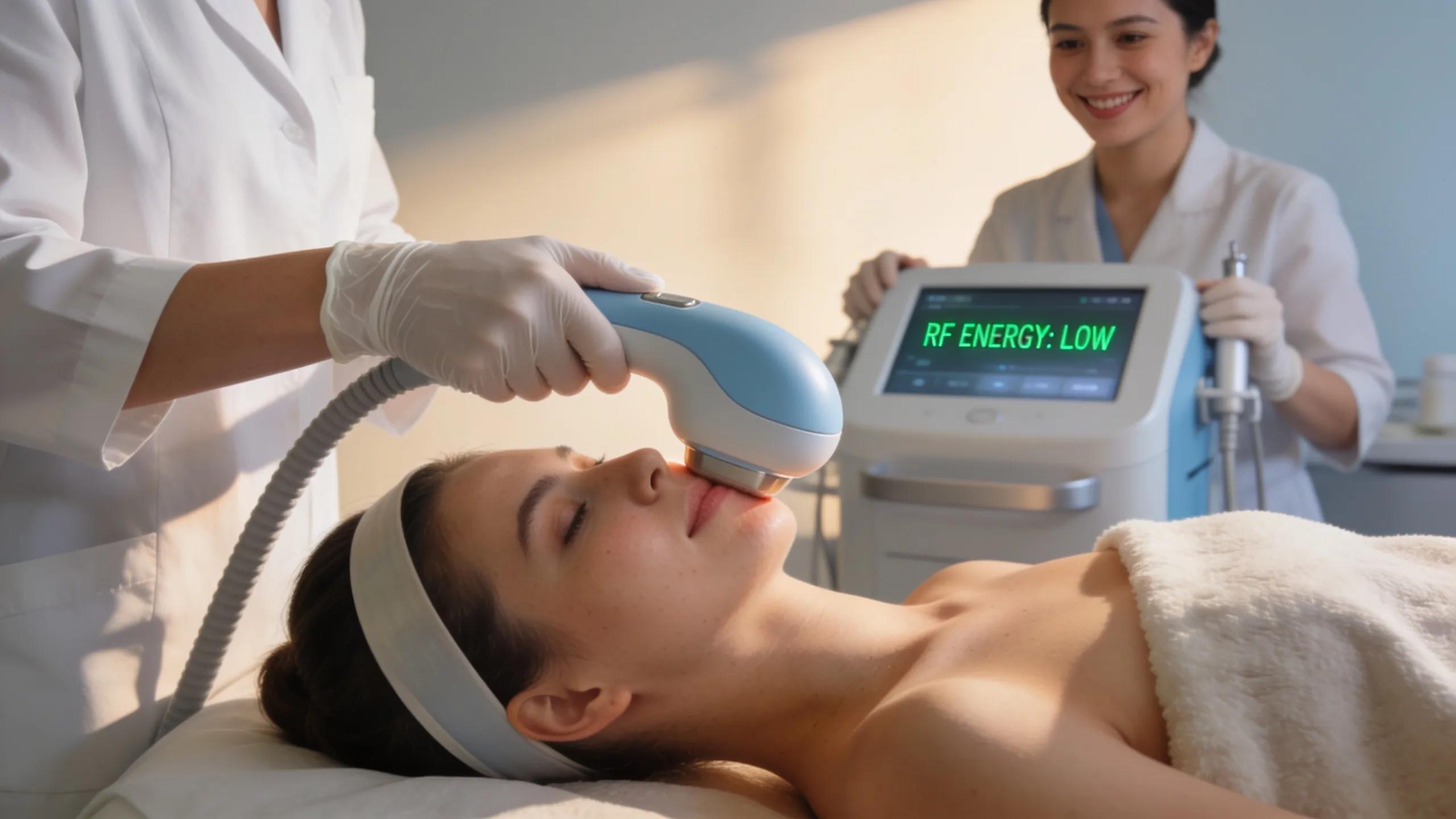
Thermage employs radiofrequency (RF) technology to heat the deeper layers of the skin, precisely targeting collagen-rich areas without damaging the outer layer. The heat causes immediate collagen contraction, leading to an instant lifting effect, along with the long-term benefit of enhanced collagen production. Over time, patients typically notice smoother skin, a reduction in fine lines, and an overall youthful appearance. Thermage treatments are versatile, allowing for use on various body areas, including the face, neck, and even stomach.
Ultherapy vs Thermage: What Are the Key Differences?
When comparing Ultherapy and Thermage, several factors come into play, including technology, treatment duration, and results. While both treatments aim to stimulate collagen production, the mechanisms they use are distinct and can yield different outcomes based on individual skin types and concerns.
Which Treatment Stimulates Collagen More Effectively?
Ultherapy is often considered more effective for deeper collagen stimulation due to its ability to target layers akin to those addressed in facelift surgeries. Research has shown that Ultherapy significantly boosts collagen levels, providing firming and lifting benefits. Conversely, Thermage may be preferable for patients looking for an immediate, superficial tightening effect due to its faster treatment times.
How Do Pain Levels and Recovery Times Compare Between Ultherapy and Thermage?
Ultherapy may involve more discomfort during treatment due to the depth at which ultrasound energy is applied. However, many patients describe the sensation as manageable, with some swelling or redness that typically resolves within a few hours. Thermage generally offers a more comfortable experience, with most patients reporting only mild discomfort, and there tends to be little to no downtime, allowing individuals to resume their normal activities immediately after the procedure.
What Are the Benefits and Risks of Ultherapy and Thermage for Facial Skin Tightening?
Both Ultherapy and Thermage have distinct benefits, yet potential risks should also be considered before undergoing these treatments. Understanding the advantages and drawbacks can provide clarity on which option may be best suited for your needs.
What Are the FDA Approvals and Safety Profiles of Each Treatment?
Both Ultherapy and Thermage are FDA-approved for safety and efficacy in skin tightening treatments. Ultherapy has been cleared as a non-invasive procedure that firms and lifts the skin, while Thermage is recognized for its ability to smooth and tighten skin. Clinical studies substantiate the long-term safety and effectiveness of both treatments, suggesting a favorable risk-benefit profile when performed by qualified practitioners.
What Side Effects Should Patients Expect From Ultherapy and Thermage?
The side effects of both treatments are generally mild and transient. Commonly reported side effects include slight swelling, redness, or tenderness in the treatment area. These effects typically resolve on their own within a few hours to days. Patients should always consult with their provider regarding individual concerns and potential risks specific to their skin type.
How Much Do Ultherapy and Thermage Procedures Cost?
Understanding the financial considerations for Ultherapy and Thermage is crucial, as costs can vary significantly based on several factors including treatment areas, provider expertise, and geographic locations.
What Are the Typical Price Ranges for Each Treatment?
The general cost for Ultherapy can range from $2,000 to $4,000, depending on the extent of the treatment and the provider’s experience. In contrast, Thermage treatments usually range between $1,500 and $3,500. Factors that influence the cost of these procedures may include the number of areas treated and the complexity of the technology used.
Are There Financing or Package Options for Non-Surgical Skin Tightening?
Many clinics offer financing options and package deals for Ultherapy and Thermage to make these treatments more accessible. Patients are encouraged to inquire about payment plans, special promotions, or membership discounts that might be available at their chosen practice, potentially easing the financial burden of these high-quality treatments.
Who Is an Ideal Candidate for Ultherapy or Thermage Treatments?
Determining the right candidates for Ultherapy and Thermage treatments involves an evaluation of skin types, age, and specific skin concerns. These factors can impact the treatment’s effectiveness and overall outcome.
What Skin Types and Conditions Benefit Most From Each Treatment?
Ultherapy is ideal for individuals with mild to moderate skin laxity, particularly those looking for a non-surgical option to lift and tighten their skin. Those with thinner skin may see better results from Ultherapy, as the targeted ultrasound energy can stimulate deeper layers effectively. Conversely, Thermage is suited for patients seeking an immediate lifting effect and is particularly beneficial for those with sun-damaged or aging skin.
When Should Patients Consider Combination Protocols for Enhanced Results?
Combination protocols that involve both Ultherapy and Thermage can provide enhanced results for certain patients. Using both treatments in tandem can leverage the immediate tightening effects of Thermage with the deep, long-lasting results of Ultherapy, offering a comprehensive approach to facial rejuvenation. Patients should consult with their aesthetic provider to determine if such combinations align with their personal goals and skin conditions.
How to Book a Consultation for Facial Skin Tightening Tratments?
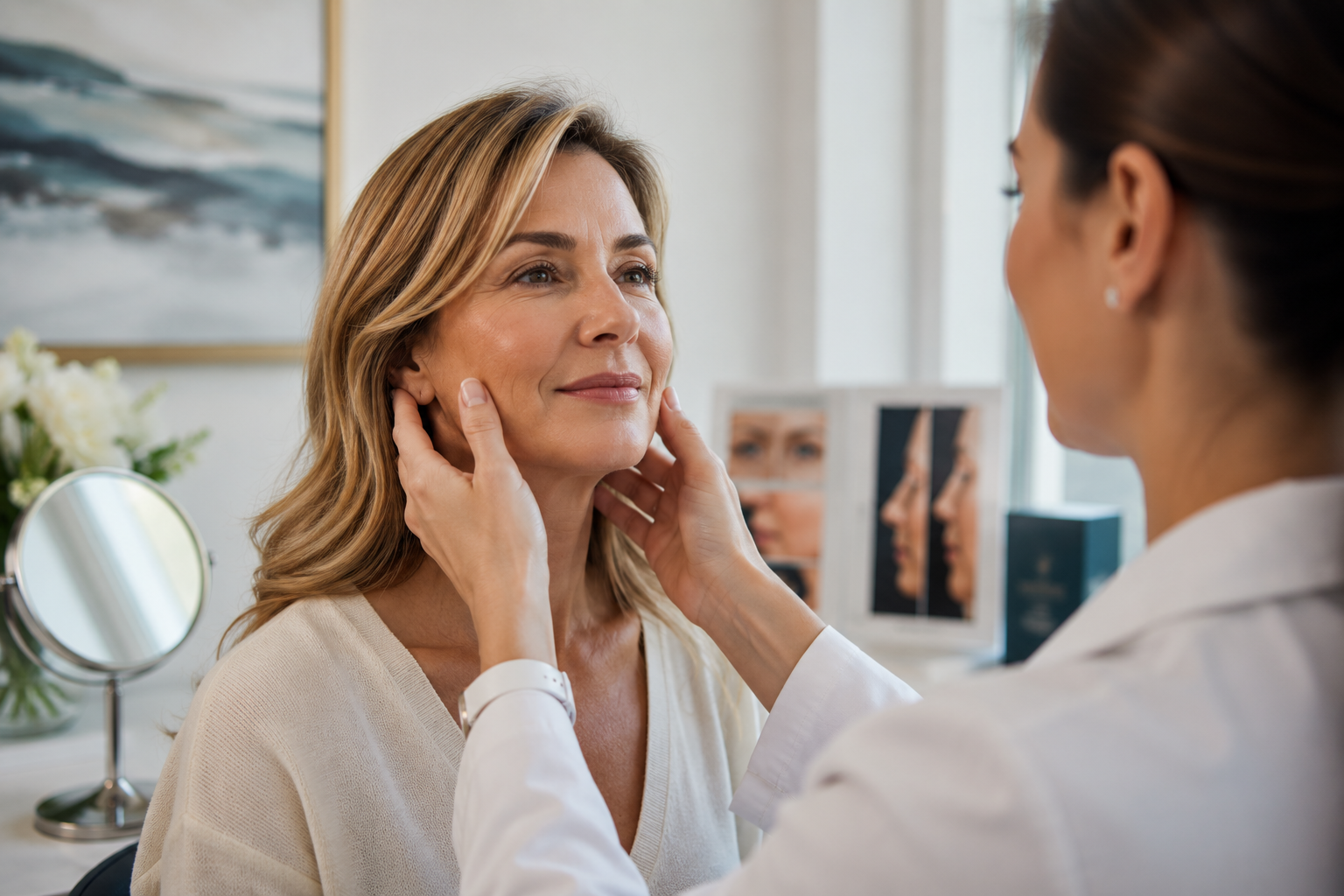
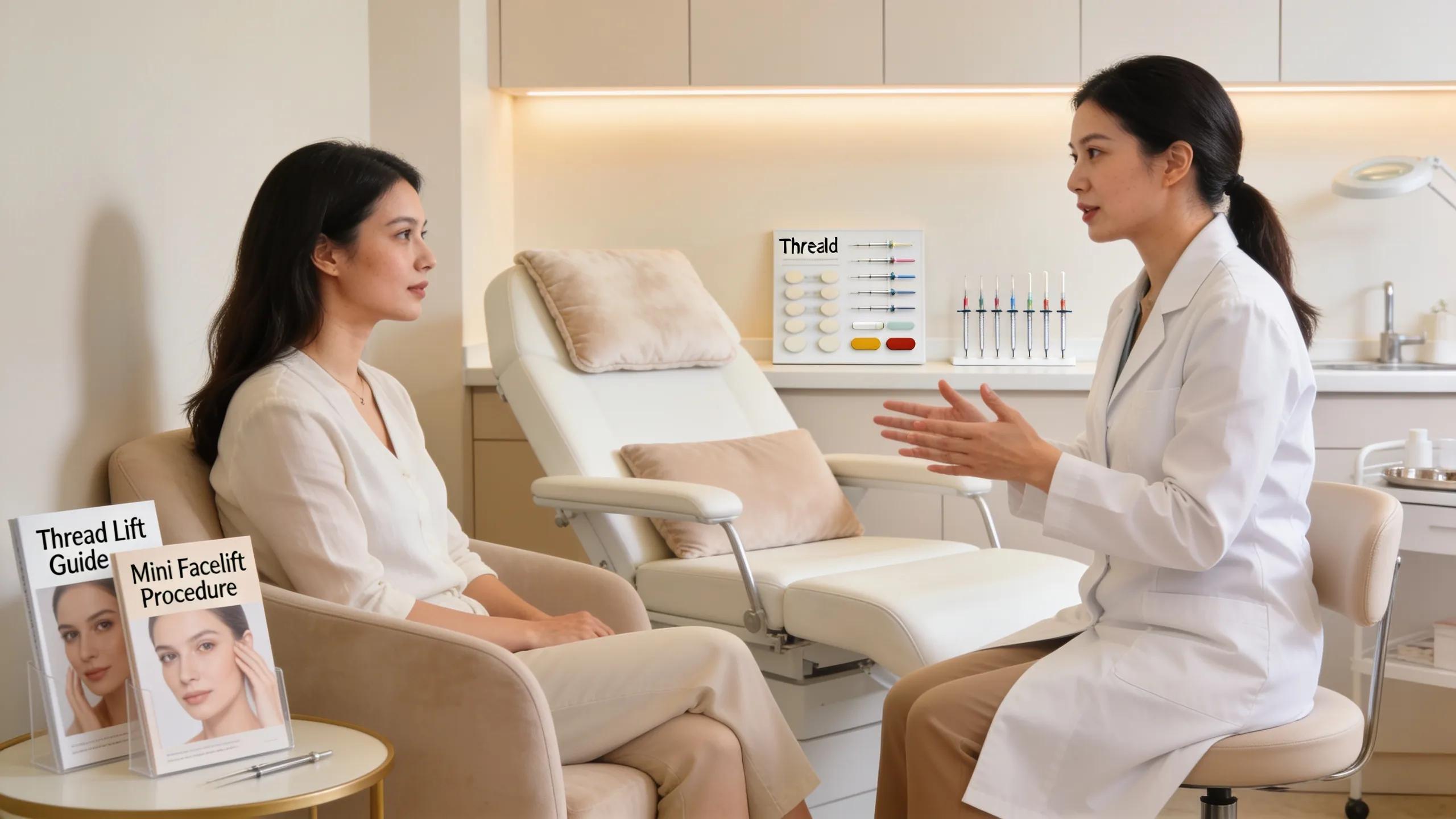
Booking a consultation with a qualified aesthetic provider is essential for determining the most appropriate treatment for your skin. This initial meeting is an opportunity to discuss goals, treatment options, and personal medical history.
What to Expect During Your Aesthetic Consultation for Ultherapy or Thermage?
During the consultation process, the provider will evaluate your skin type, discuss concerns, and review your medical history. They may also take photographs for treatment planning and to track results over time. This is also the time to address any questions or concerns regarding the procedures, possible side effects, and expected outcomes.
How to Schedule Your Appointment for Non-Invasive Skin Tightening?
To schedule an appointment for either Ultherapy or Thermage, interested individuals should contact their chosen provider directly, providing basic information regarding treatment interests and availability. Many clinics offer online booking options, allowing for easy access to appointment scheduling. Following the initial consultation, patients will typically discuss treatment plans, pricing, and ideal timing for treatments.