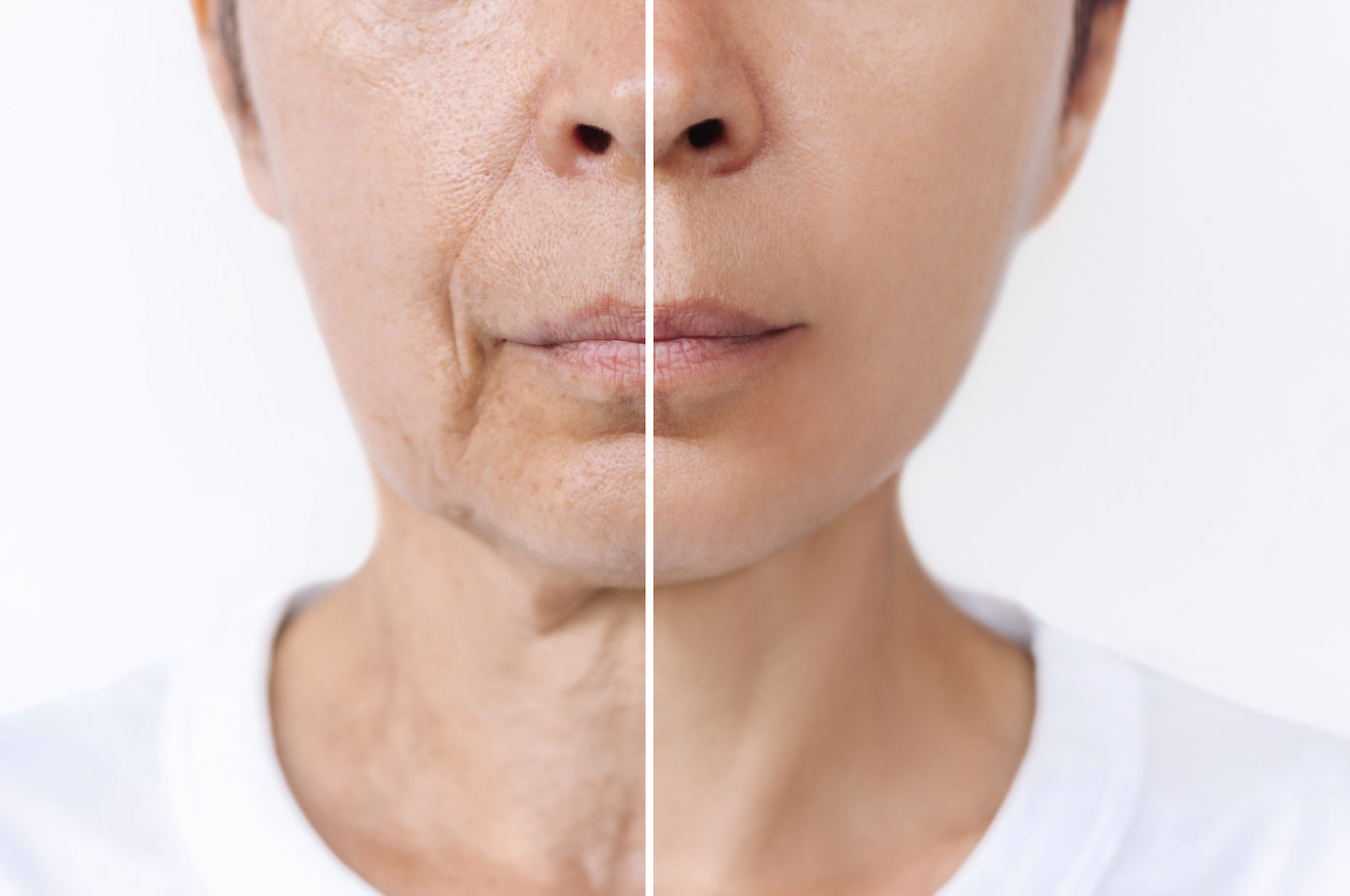

Thread Lift vs Mini Facelift for Jowls: Which Treatment Offers Best Results and Recovery Options?
In the realm of aesthetic enhancements, the debate surrounding thread lifts and mini facelifts for reducing jowls has garnered significant attention. These procedures cater to those seeking to rejuvenate their appearance without undergoing extensive surgery. This article aims to dissect the intricacies of each treatment, comparing their techniques, benefits, recovery processes, and ideal candidates. By understanding these options, individuals can make informed decisions regarding their aesthetic needs. The discussion will provide a clear understanding of both options, highlighting the nuances between thread lifts and mini facelifts, alongside factors like recovery time and potential outcomes.
What Are Thread Lifts and Mini Facelifts? Overview of Procedures and Techniques
Thread lifts and mini facelifts are both popular minimally invasive facial rejuvenation procedures, yet they differ fundamentally in technique and depth of treatment. A thread lift involves the insertion of specialized sutures into the skin layers to lift sagging tissue, primarily targeting the jowls and neck area. This technique subtly improves facial contours through polydioxanone (PDO) threads, which stimulate collagen production, leading to progressive tightening and rejuvenation.
Conversely, a mini facelift is a surgical procedure that entails removing excess skin and tightening underlying muscles and tissues. It focuses on the lower portion of the face, effectively addressing jowls and loose skin along the jawline. The mini facelift typically involves smaller incisions compared to a traditional facelift, aiming for a more youthful appearance with lasting results.
Procedure Comparison
- Thread Lift: Involves minimally invasive sutures placed under the skin.
- Mini Facelift: Involves small incisions and removal of skin for a more targeted surgical lift.
- Recovery: Thread lifts have shorter recovery times while mini facelifts require a longer healing period.
Understanding these fundamental differences is essential for choosing the right treatment based on the desired outcomes and recovery commitments.
What Are the Benefits and Expected Results of Thread Lifts Compared to Mini Facelifts?

Both thread lifts and mini facelifts offer distinct benefits tailored to different cosmetic goals. Thread lifts are appreciated for their non-invasive nature, requiring minimal downtime, and the ability to stimulate collagen production. The expected results include a subtle lift, improved skin texture, and enhanced definition, typically lasting from one to three years depending on individual factors.
On the other hand, mini facelifts yield more dramatic results due to the nature of the surgical approach. The expected outcomes are more pronounced, effectively lifting sagging skin and reducing jowl prominence. These results can be long-lasting, often over five years, making them a more permanent solution for those with significant aging concerns.
This table illustrates the fundamental differences in outcomes and longevity between the two procedures, assisting potential candidates in aligning their goals with the best treatment option.
What Are the Recovery Times and Side Effects for Thread Lifts versus Mini Facelifts?

Recovery times vary significantly between thread lifts and mini facelifts due to their differing invasiveness levels. Following a thread lift, patients typically experience mild swelling and bruising, with most individuals able to resume daily activities within 24-48 hours. The minimal recovery allows for a quick return to normalcy, making it an attractive option for those with busy lifestyles.
In contrast, a mini facelift entails a more prolonged recovery period. Patients may require up to two weeks for swelling and bruising to subside fully, with activity restrictions for at least one week post-procedure. Moreover, potential side effects include scarring, discomfort, and, in rare cases, infection. Understanding these timelines is crucial for potential candidates to manage expectations and plan accordingly.
Who Is an Ideal Candidate for Thread Lift or Mini Facelift Treatments?
Determining the ideal candidate for either treatment relies heavily on individual goals and existing skin conditions. Thread lifts are typically recommended for younger individuals in their 30s and 40s seeking a preventative approach to aging or those with early signs of sagging skin. Individuals with good skin elasticity and minimal laxity tend to benefit most from this less invasive option.
Mini facelifts, however, are best suited for older adults seeking more pronounced rejuvenation with significant jowl development and excess skin. Candidates are usually in their 40s to 70s and should be in good overall health to ensure proper healing. Understanding these distinctions enables individuals to pursue the most appropriate intervention for their needs.
When Is a Mini Facelift Recommended Over Nonsurgical Alternatives?
While both thread lifts and mini facelifts present valuable anti-aging solutions, certain situations warrant the need for surgical intervention. A mini facelift is typically recommended for individuals with pronounced sagging and jowl formation that non-surgical methods cannot adequately address. Additionally, those seeking longer-lasting results with a more defined contour may find a mini facelift to be the most beneficial option.
Individuals with significant skin laxity or a previous experience with non-invasive options yielding unsatisfactory results may also be ideal candidates for a mini facelift. This decision often stems from the desire for substantial and enduring improvement.
How Do Costs and Financing Options Compare Between Thread Lifts and Mini Facelifts?
The financial aspect of facial rejuvenation is always a consideration for prospective patients. Generally, thread lifts are less costly than mini facelifts, with prices typically ranging from $1,500 to $4,500, depending on the complexity and provider experience. Costs can vary, but this treatment option tends to be more budget-friendly for those looking for effective ways to rejuvenate their appearance.
Conversely, mini facelift procedures usually come with higher costs, averaging between $7,000 and $15,000, including facility fees and anesthesia considerations. While financing options exist, such as payment plans or medical financing services, these considerations remain critical when weighing the financial commitments involved.
In this context, potential patients should assess their budget alongside their aesthetic goals, factoring in both the upfront costs and the long-term value of the results.
For those considering a thread lift or mini facelift, consulting with a certified specialist can provide insights into the most suitable solution based on specific desires and skin conditions. Professional assessment ensures a tailored approach to aesthetic enhancement.
What Alternative or Complementary Treatments Can Enhance Jowl Rejuvenation Results?
To maximize the benefits of thread lifts or mini facelifts, many patients explore alternative treatments that can complement their primary procedures. Nonsurgical options such as dermal fillers can help enhance volume in areas such as the cheeks and jawline, further accentuating a youthful appearance. Additionally, laser resurfacing treatments can improve skin quality and texture, aiding in the overall rejuvenation process.
Botox is another common complementary treatment, which can soften facial lines and enhance the results of a facelift or thread lift, creating a more cohesive, youthful look. Combining these treatments allows for tailored and comprehensive facial rejuvenation that addresses multiple aspects of aging concurrently.
This multifaceted approach to aesthetic improvement provides patients with a broader arsenal in their pursuit of an enhanced and youthful appearance, further reinforcing the importance of personalized treatment plans.